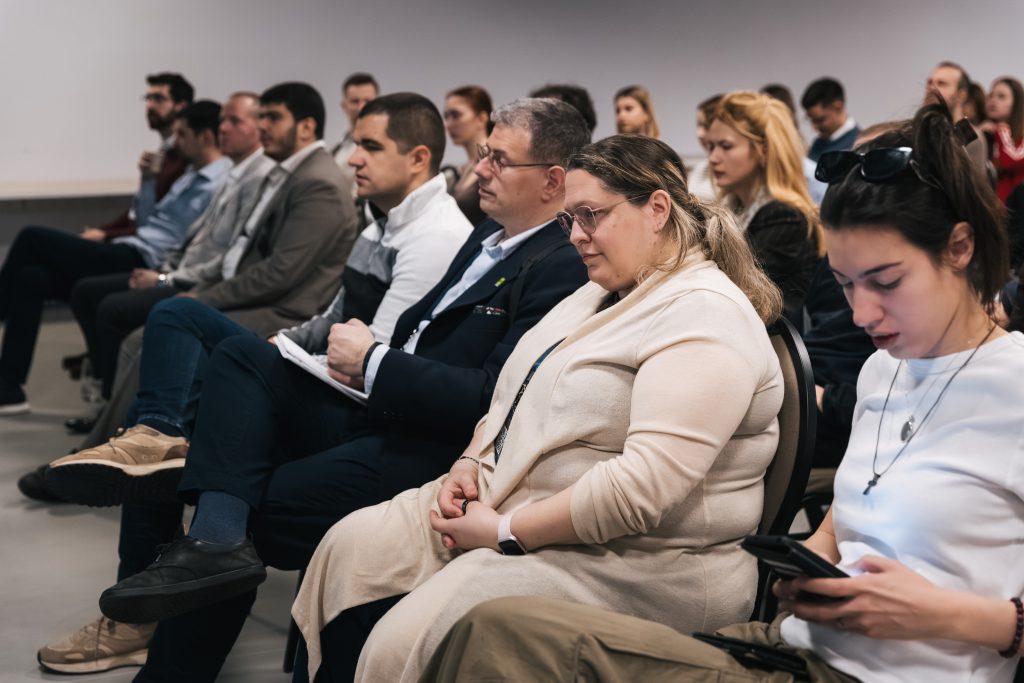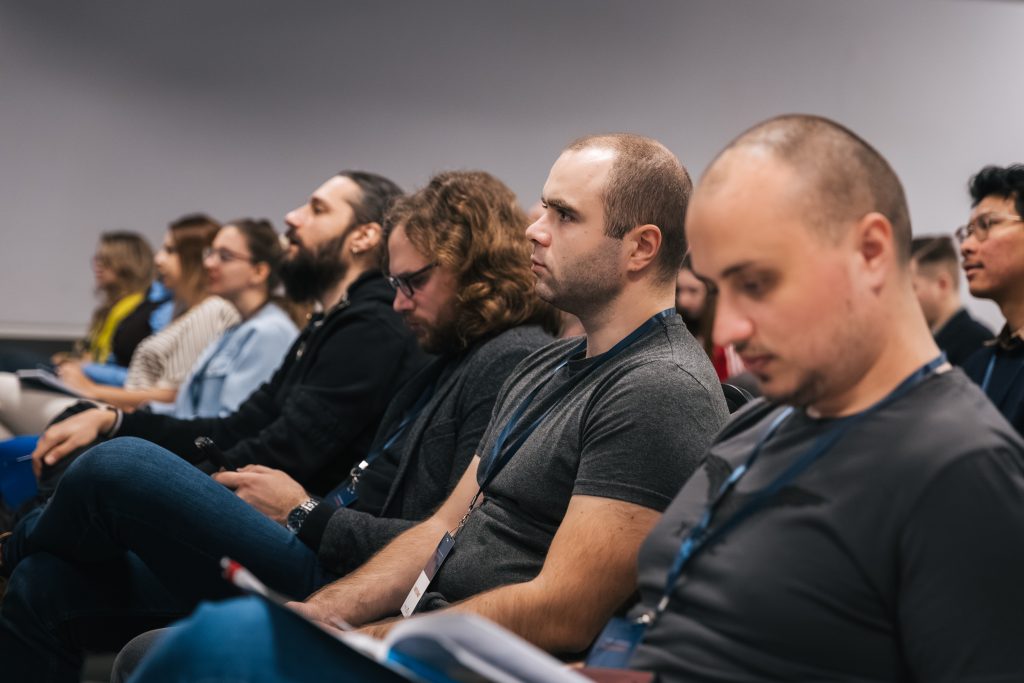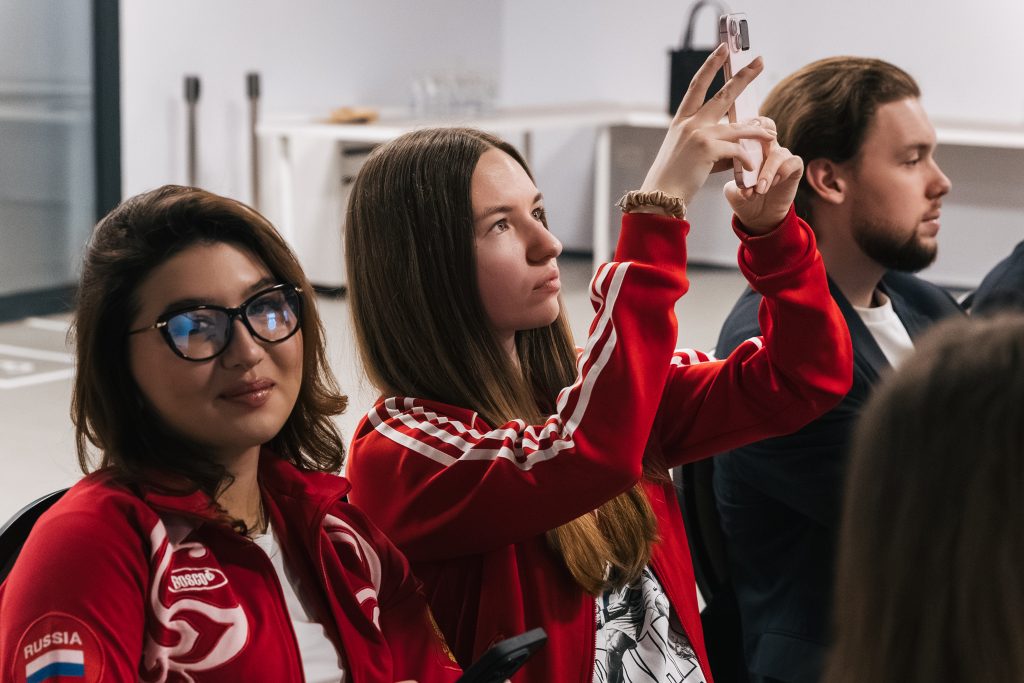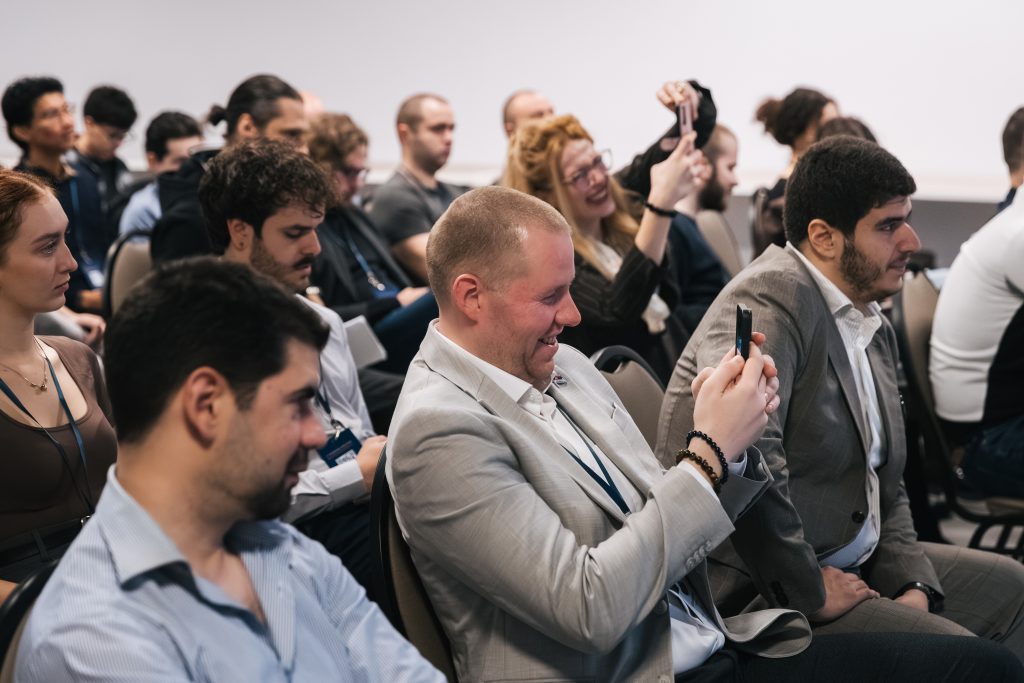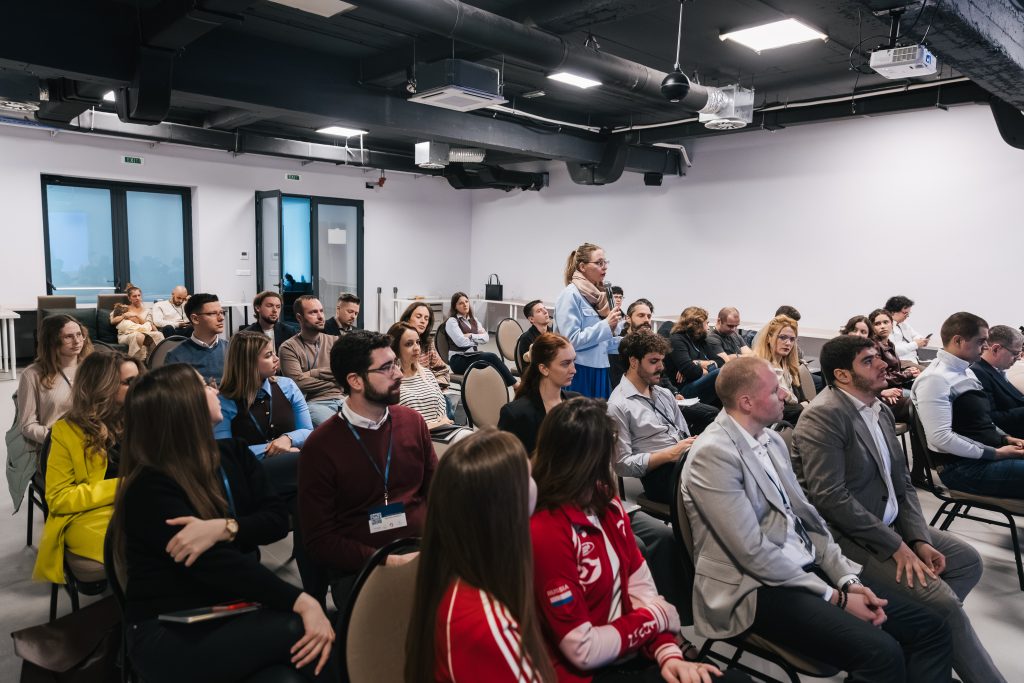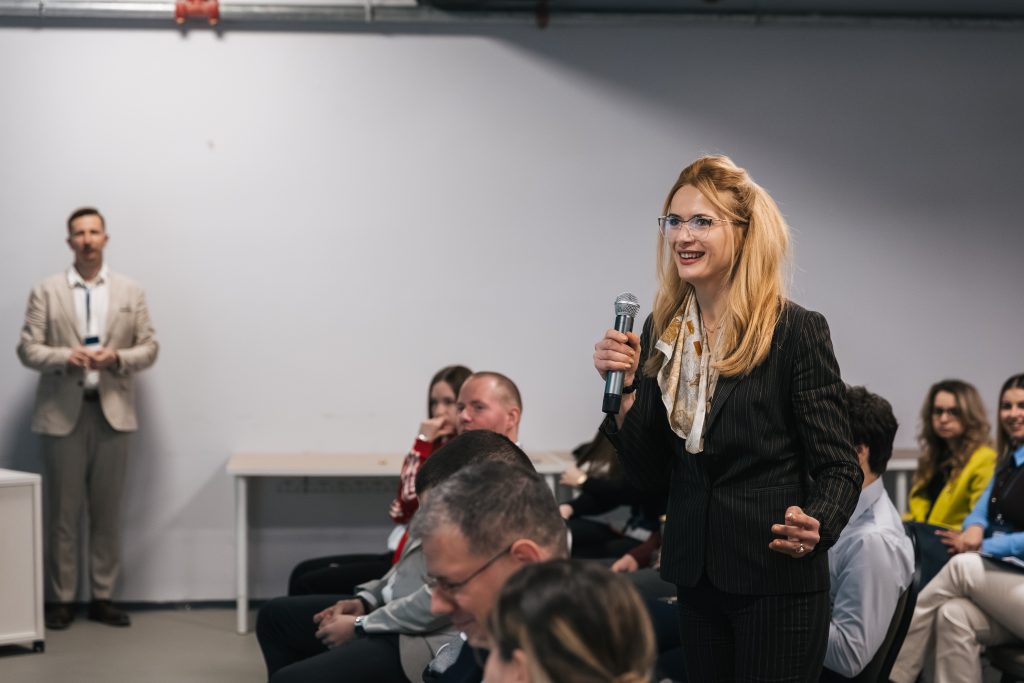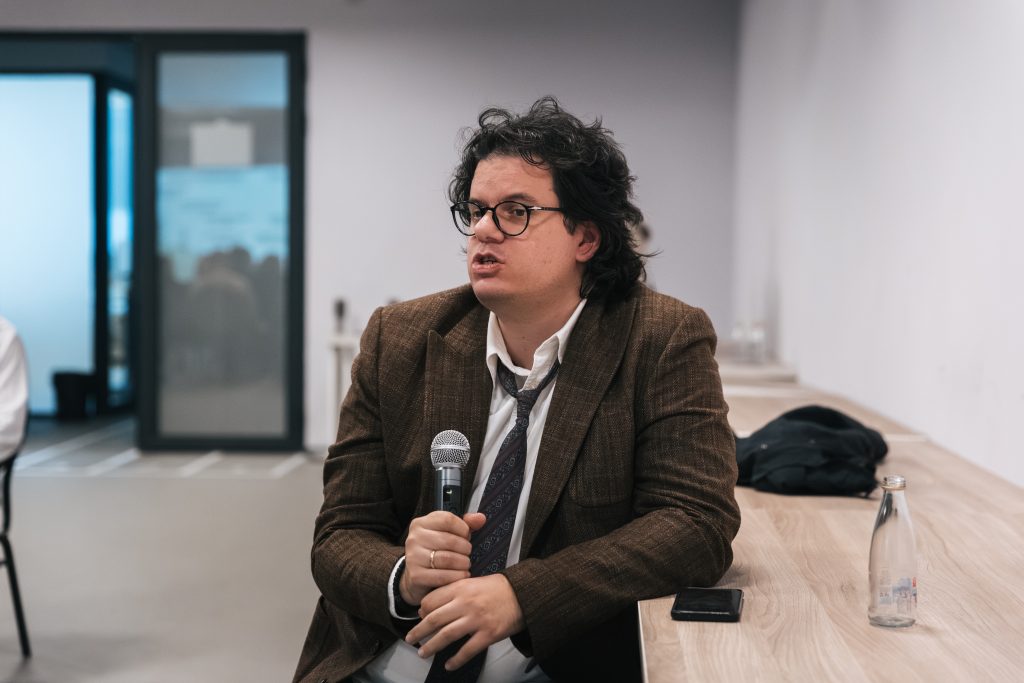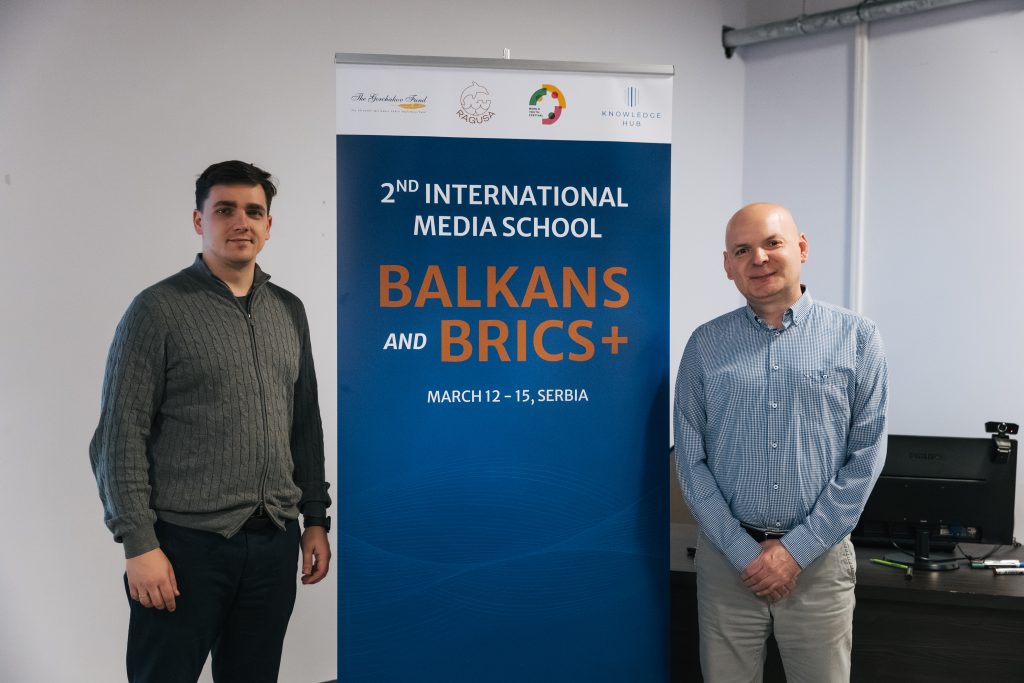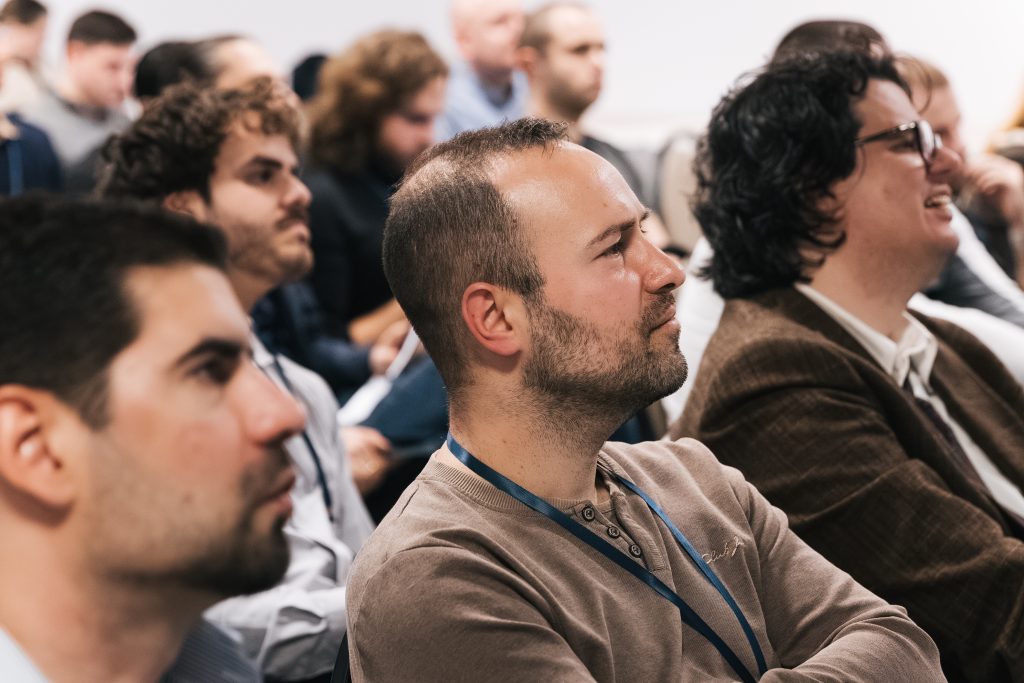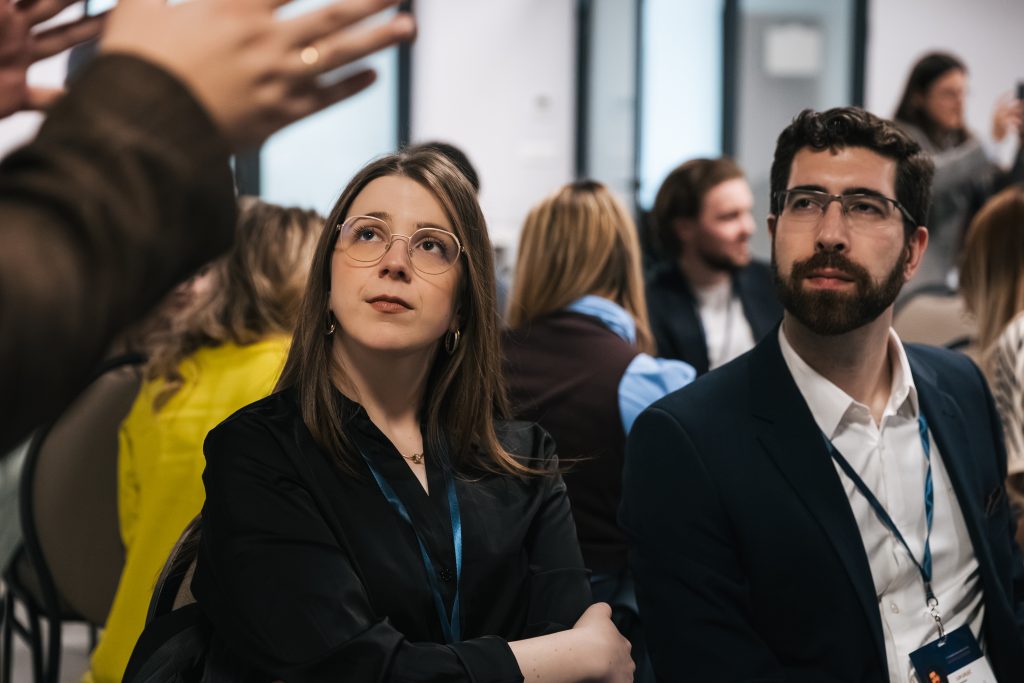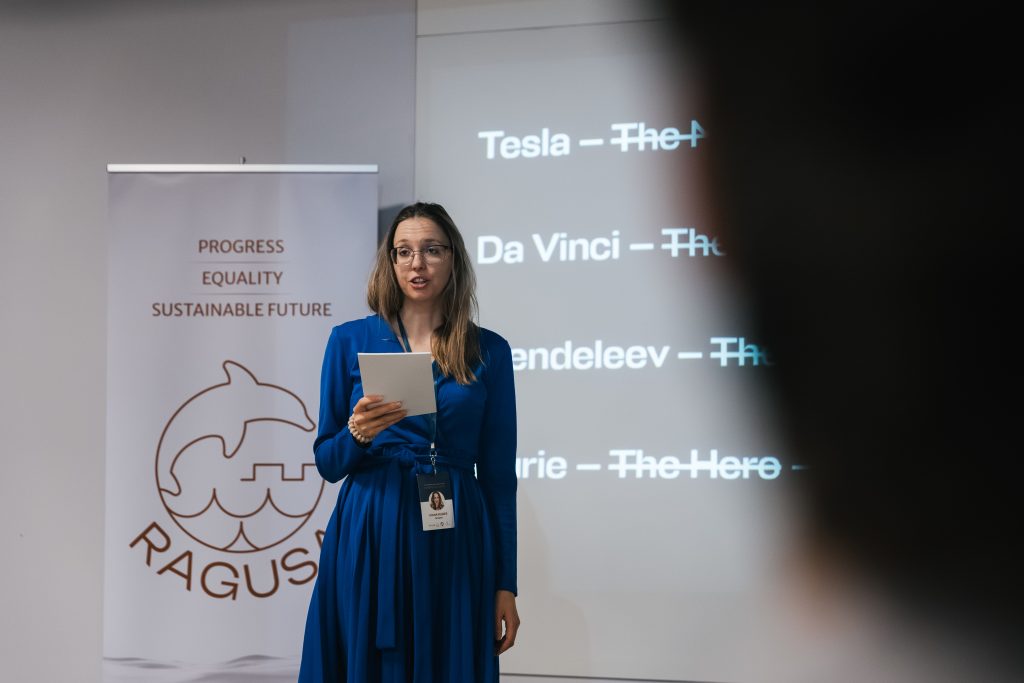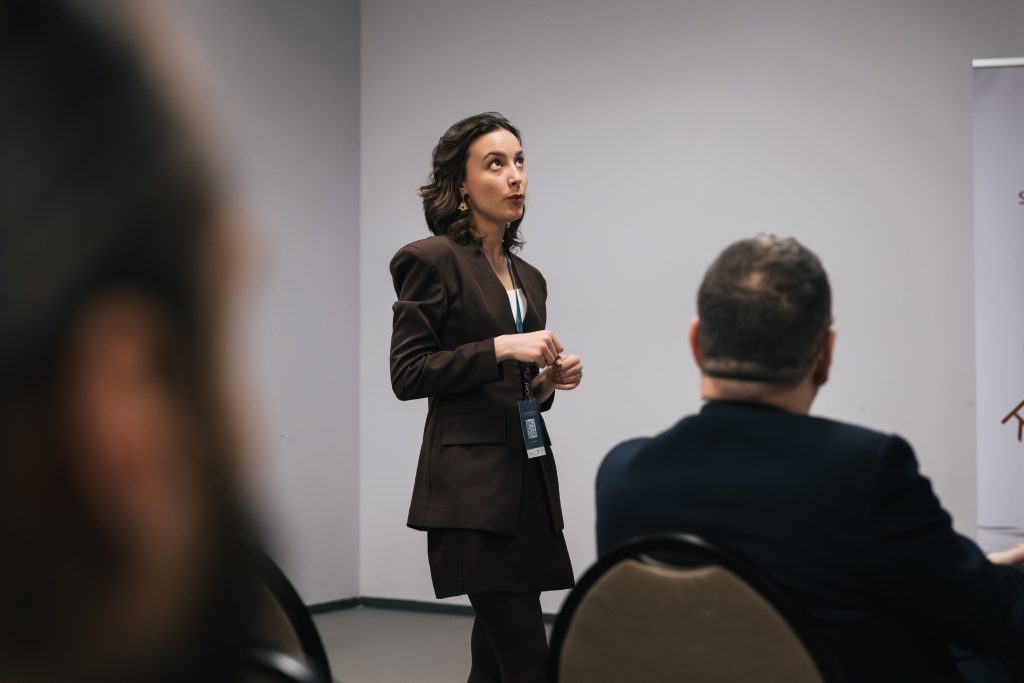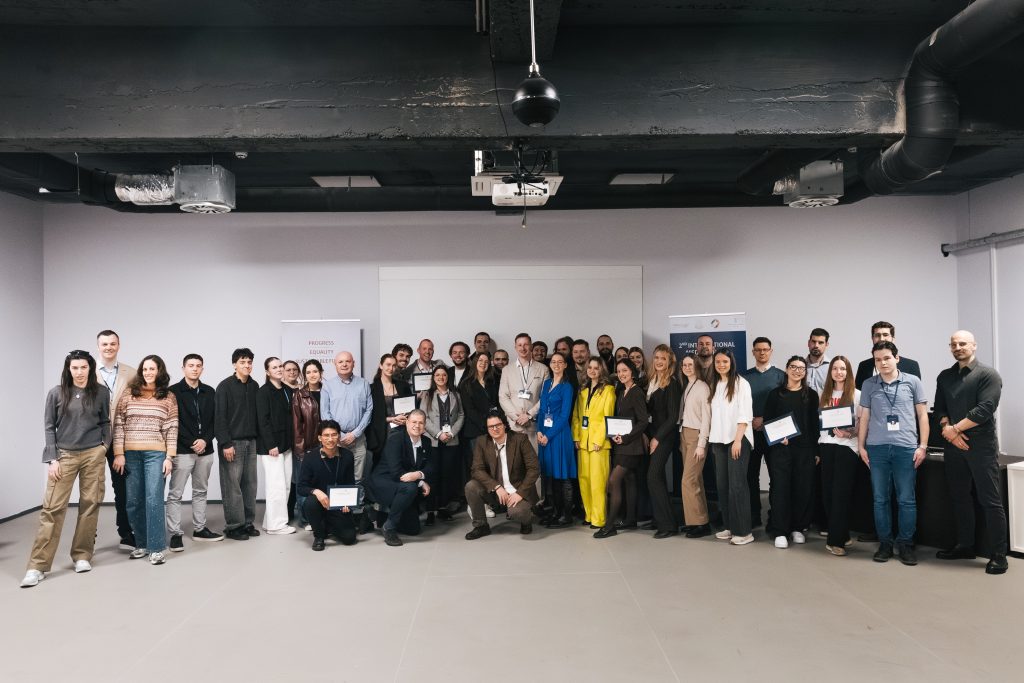
Divčibare, 14 March – The second day of the International Media School “Balkans and BRICS+” brought participants deeper into the intersection of media, geopolitics, and digital reality, opening discussions on information warfare, censorship, internet culture, and the evolving role of journalism in a rapidly changing global order.
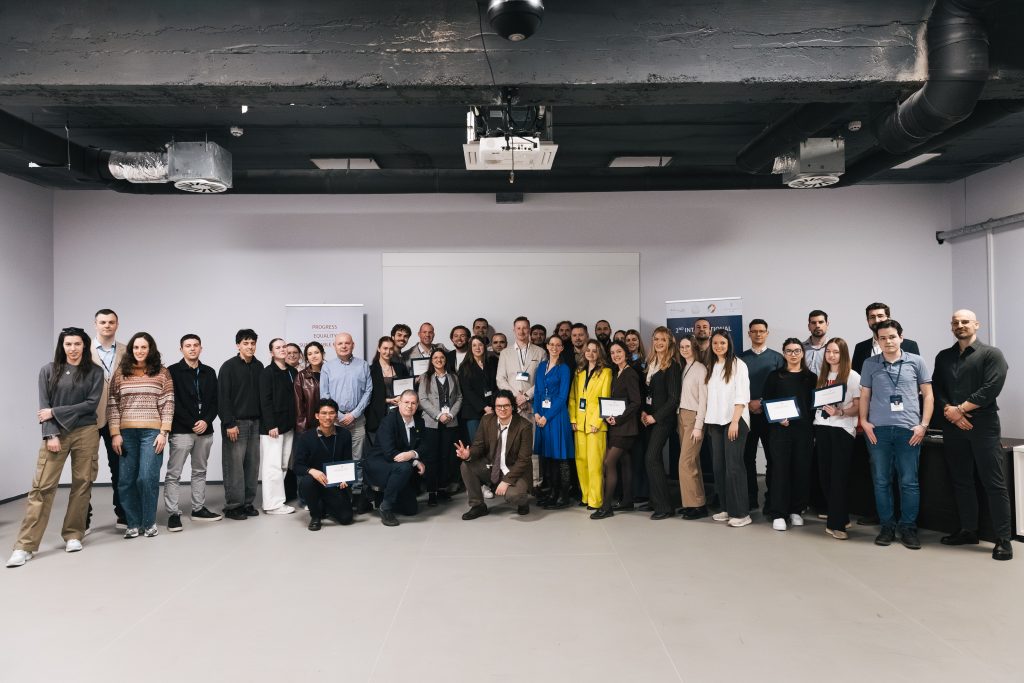
The program gathered experts from various fields who addressed both theoretical frameworks and practical challenges shaping today’s media landscape – from global narratives to emerging digital strategies within the BRICS context.
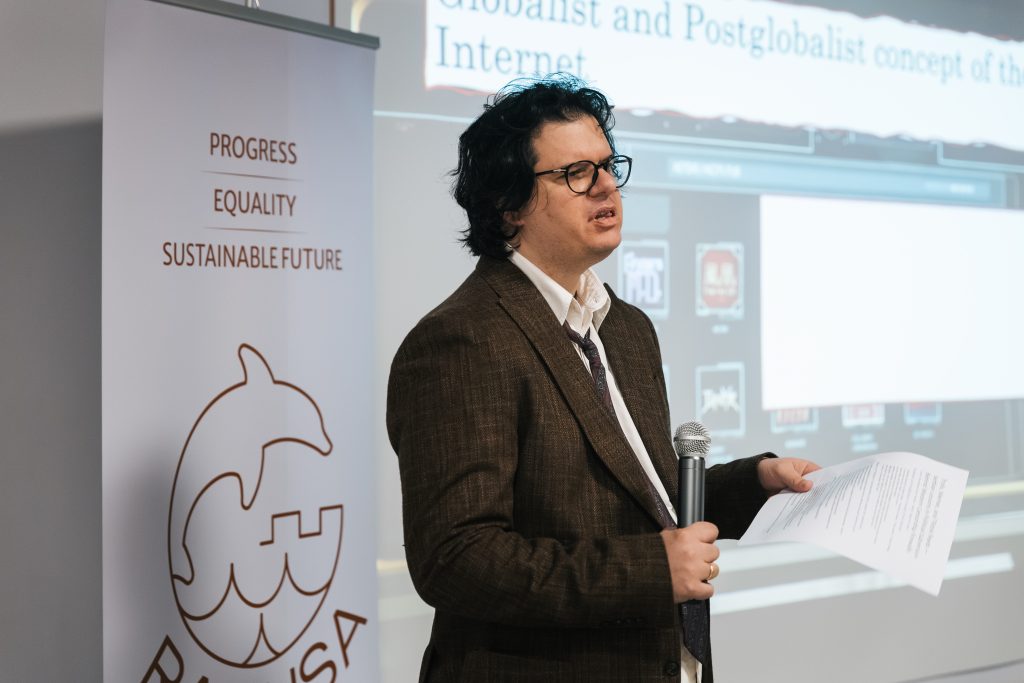
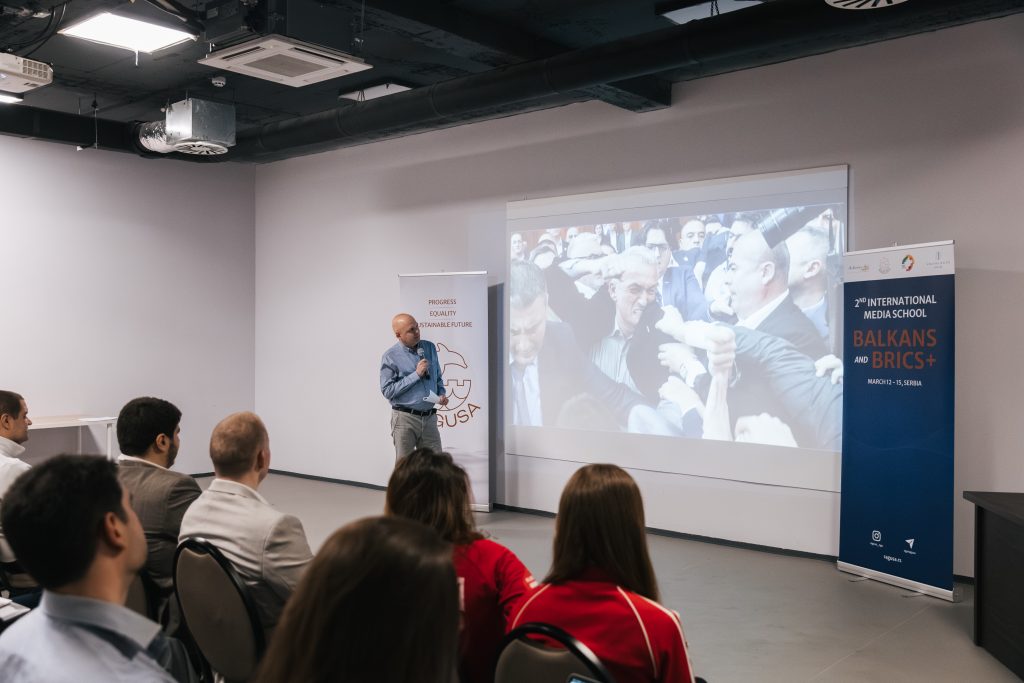
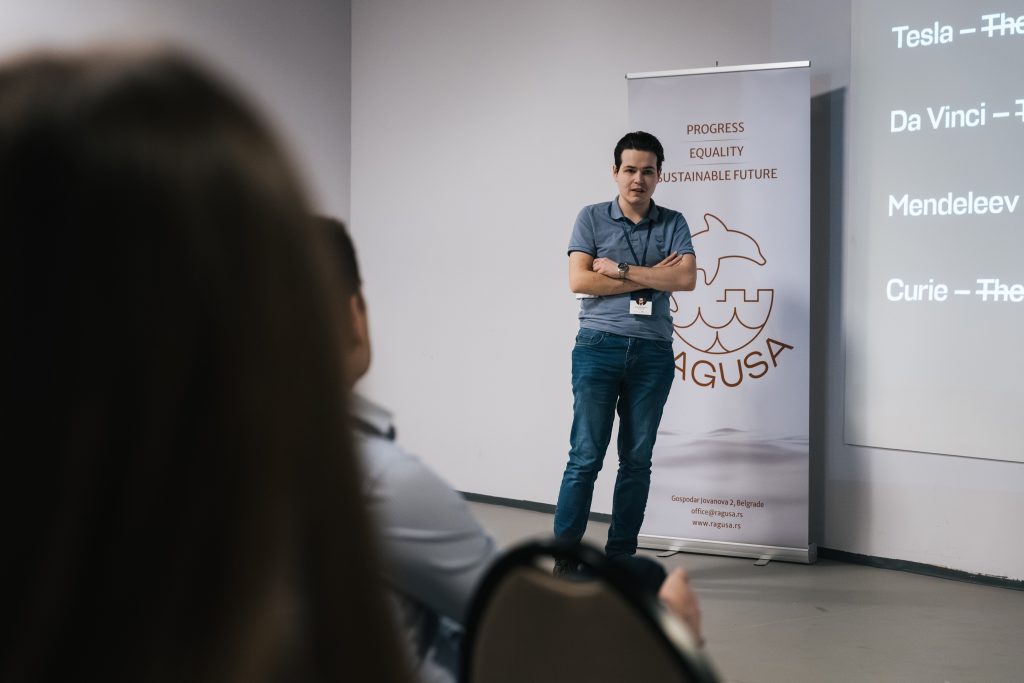
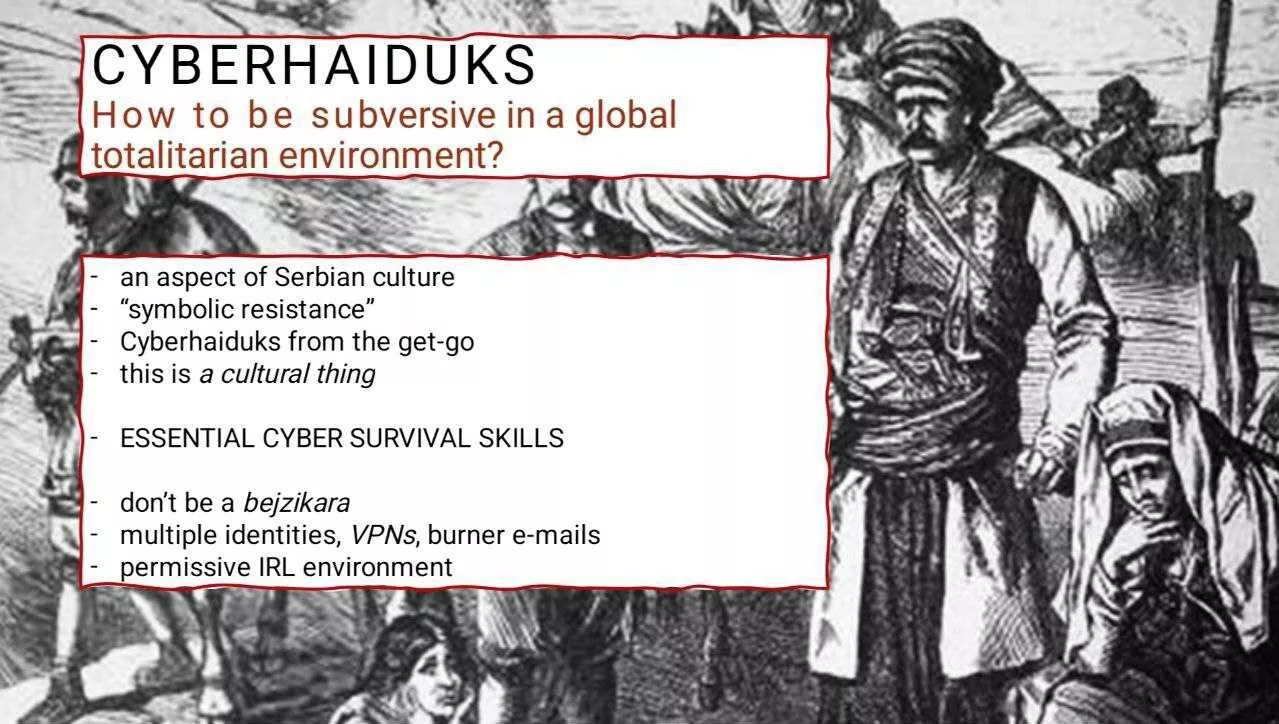
Philosopher and author Dr. Nikola Tanasić opened one of the central discussions with his lecture “Trolls, Memes, and TikTok Feeds – Serbian Lessons in Political Subversion Behind Western Censorship Firewalls.” He pointed to the transformation of the internet from an open space into an increasingly controlled environment, where social media platforms function as tools of influence and data control.
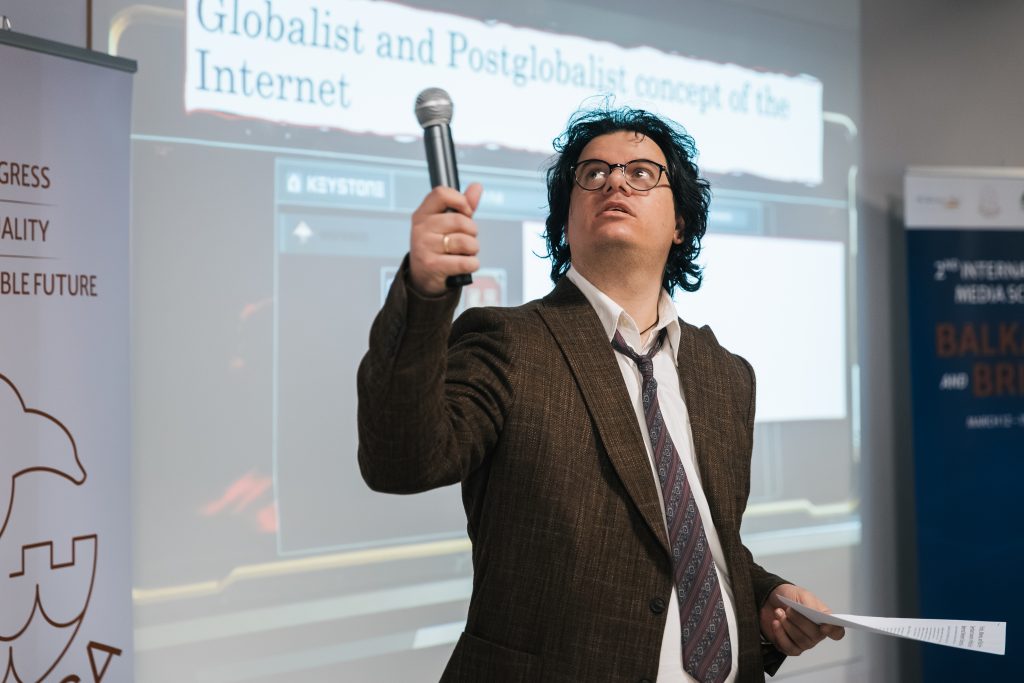
Dr. Nikola Tanasić, Philosopher and Author
“If you control what people know – the information they receive – and understand their emotions, interests, and reactions, you already hold a powerful mechanism in your hands,” Tanasić noted, adding that censorship further solidifies such systems.
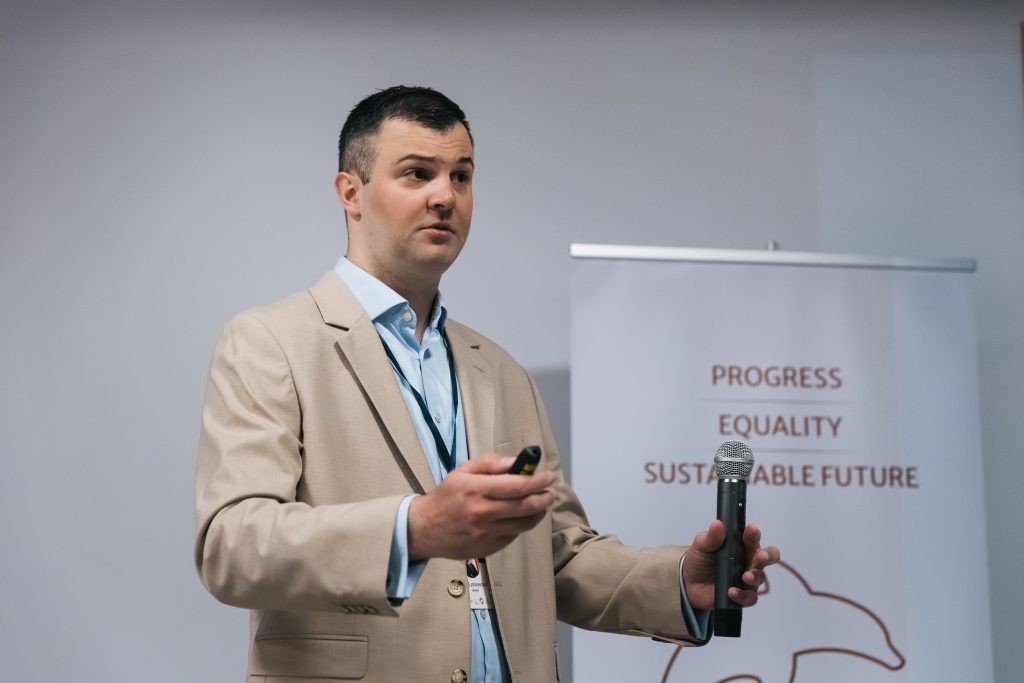
The theme of information warfare was further developed by Serbian journalist and political analyst Nebojša Malić in his lecture “Lessons for BRICS from the American Media Trenches.” He emphasized the responsibility of journalists in what he described as a “war without weapons” — a struggle for attention and consciousness.
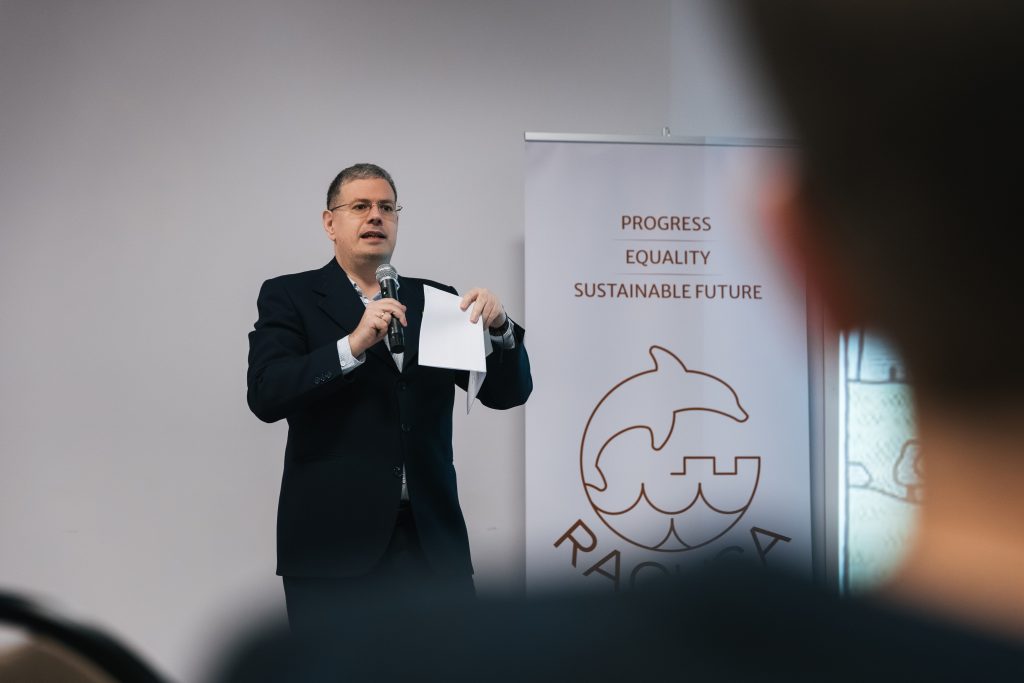
Nebojša Malić, Serbian Journalist and Political Analyst
“A journalist must never betray the trust of their audience, especially in this ongoing battle for our attention and awareness,” Malić stressed, underlining the importance of understanding both the nature of media influence and the mechanisms behind it.
Beyond these discussions, the program addressed broader geopolitical and media dynamics. Bojan Vulin spoke on the potential of BRICS as a model for the Balkans, emphasizing the importance of alternative frameworks of cooperation in an increasingly multipolar world, as well as the need for the region to rethink its strategic positioning.
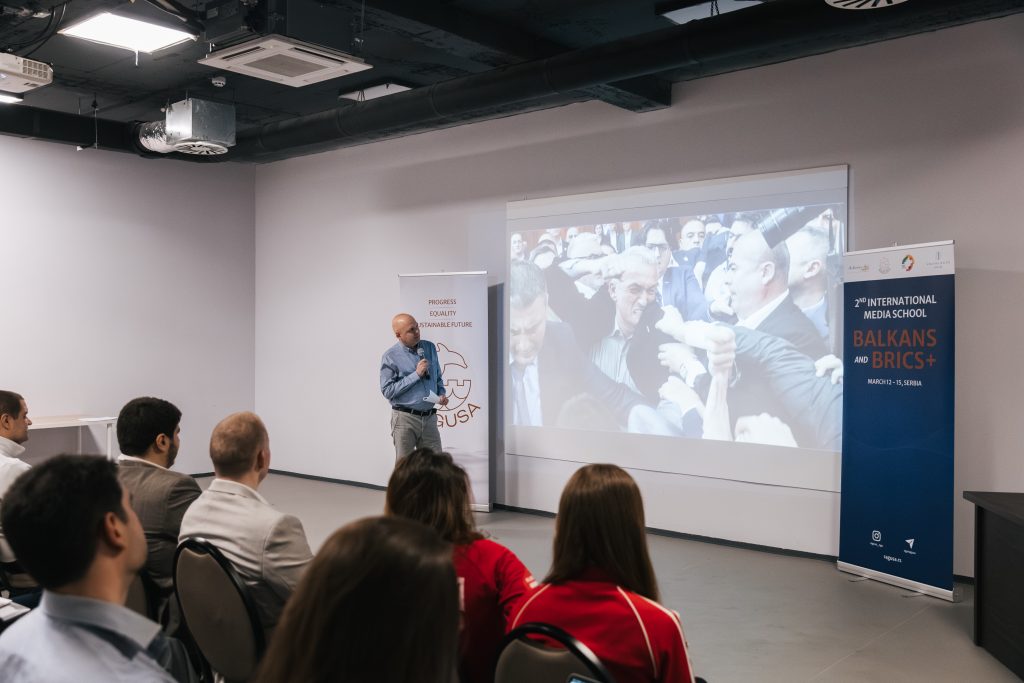
Bojan Vulin, Secretary of the Russian Historical Society in Serbia and Program Director of the Institute for Strategic Social Dialogue
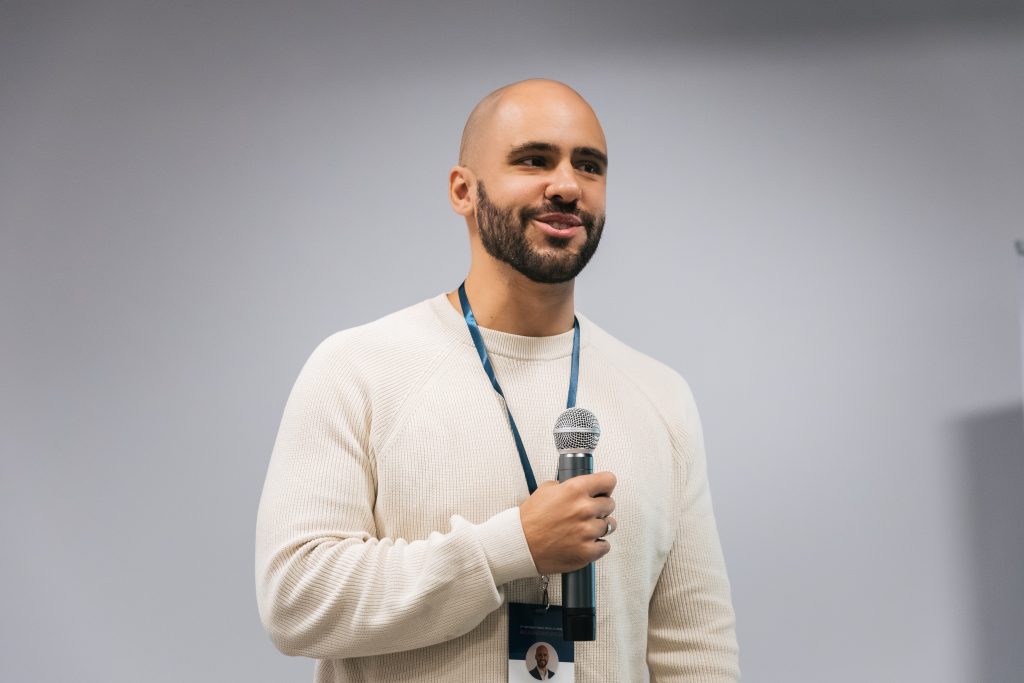
Thiago Ferreira explored how media and travel storytelling shape international perceptions, highlighting the power of narrative in forming images of entire regions and influencing how audiences understand unfamiliar cultures.
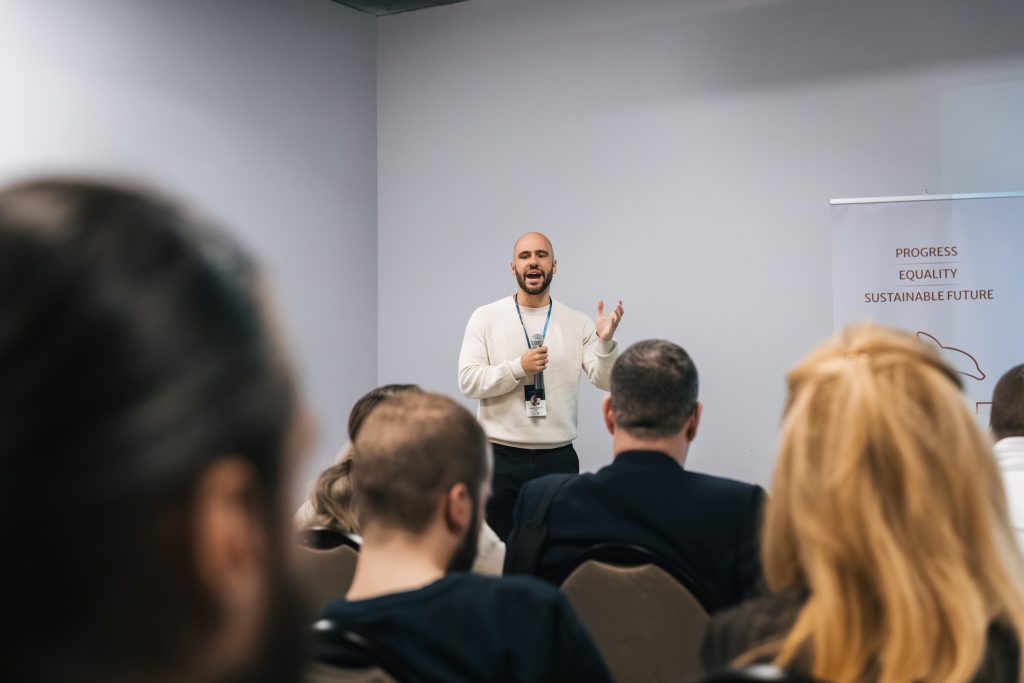
Thiago Ferreira, TV host and author of the program “Thiago’s Balkans” on Balkan Trip TV
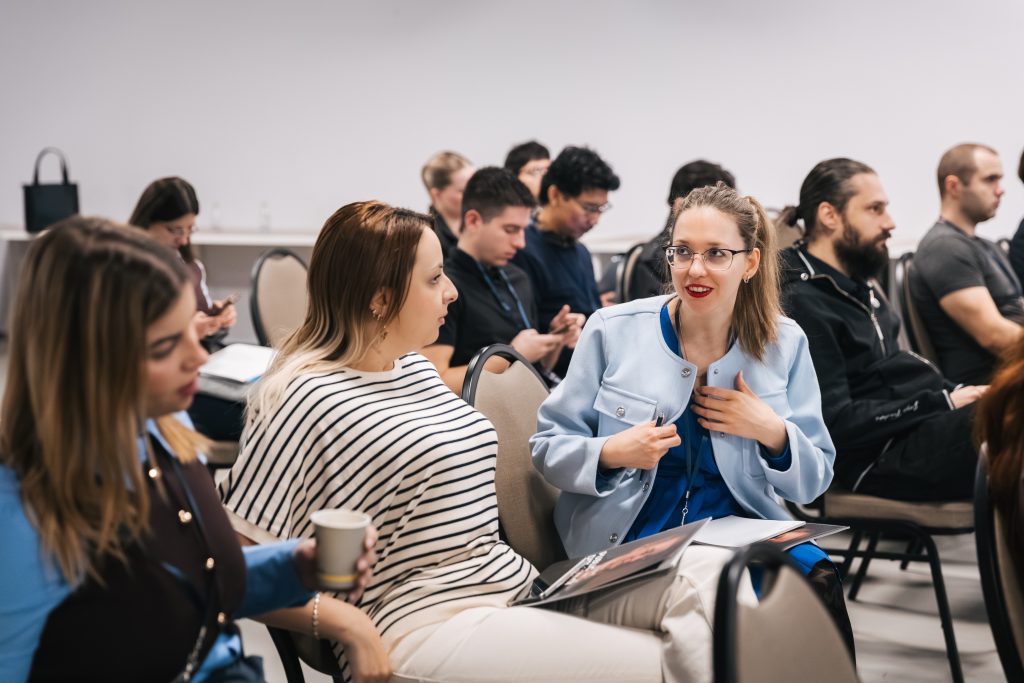
Alena Isakova led an interactive session on journalistic responsibility from source to publication, during which participants worked in groups, analyzed practical examples, and actively engaged in discussion, creating a dynamic and hands-on learning environment
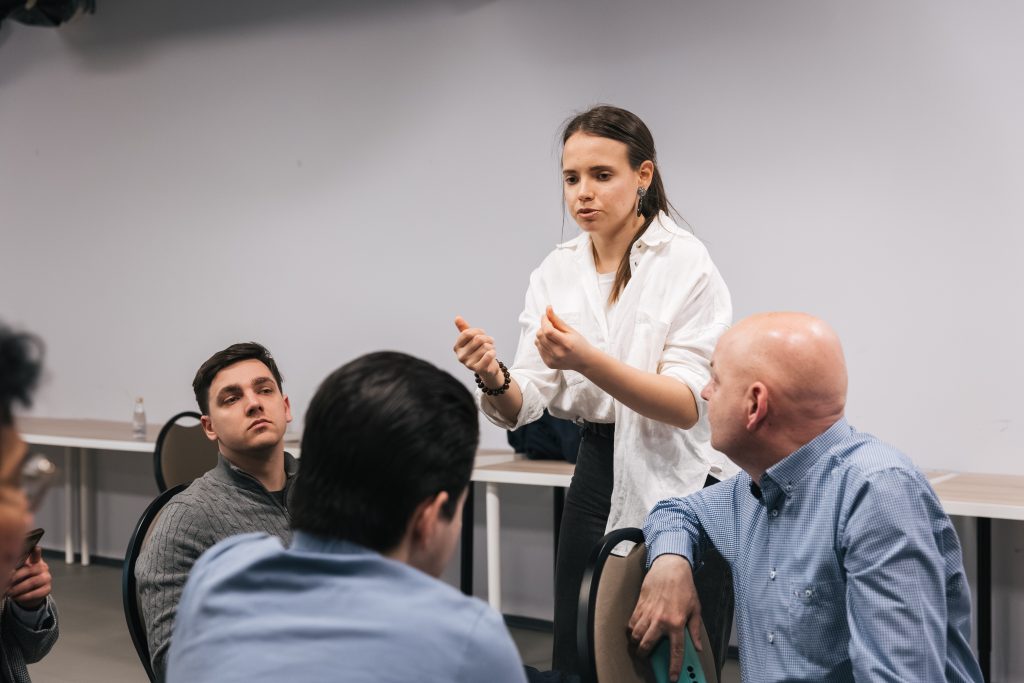
Alena Isakova, Head of the Press Office at the Gorchakov Fund
Dr. Maša Mišković examined the legal implications of international sanctions within the regional and BRICS context, providing participants with a clearer understanding of the complex legal frameworks shaping international relations today.
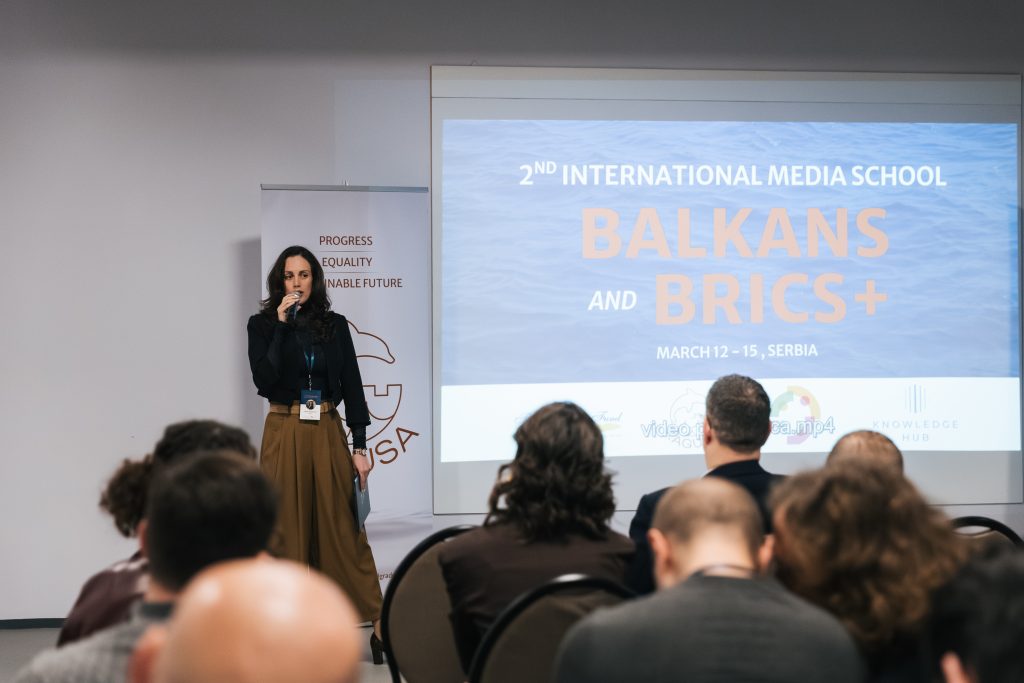
Dr. Maša Mišković, Associate Professor at the Faculty of Law, University of Belgrade
Questions of digital sovereignty and security were also highlighted by Dr. Miloš Jovanović, who discussed Serbia’s position in developing strategic autonomy in the fields of digital security and artificial intelligence within an increasingly multipolar world.
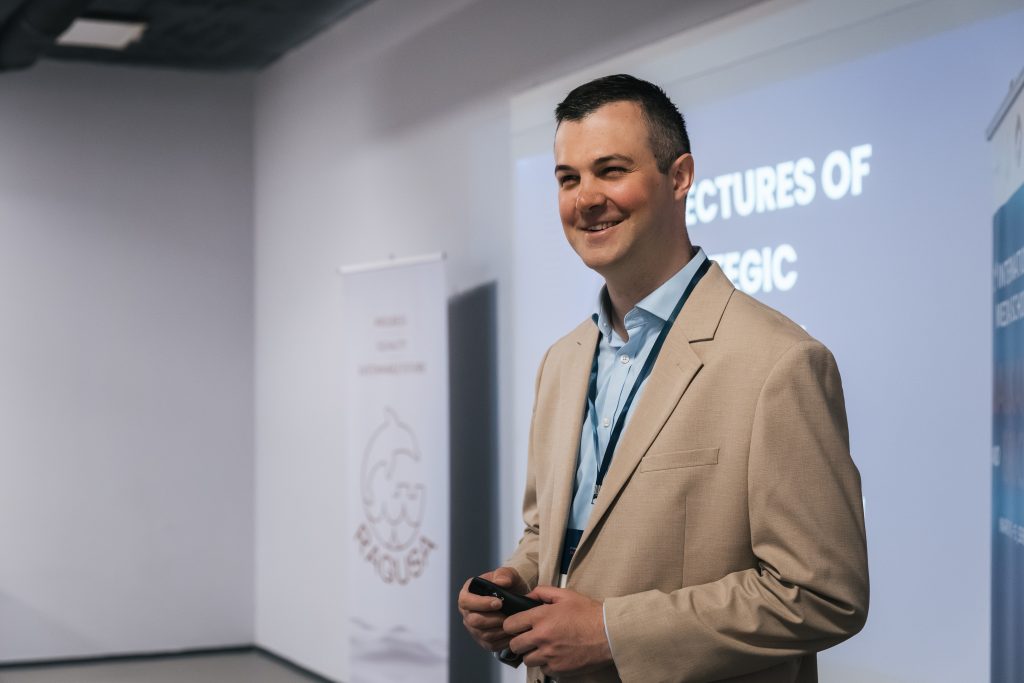
Dr. Miloš Jovanović, Professor of Information Security at the University of Kragujevac
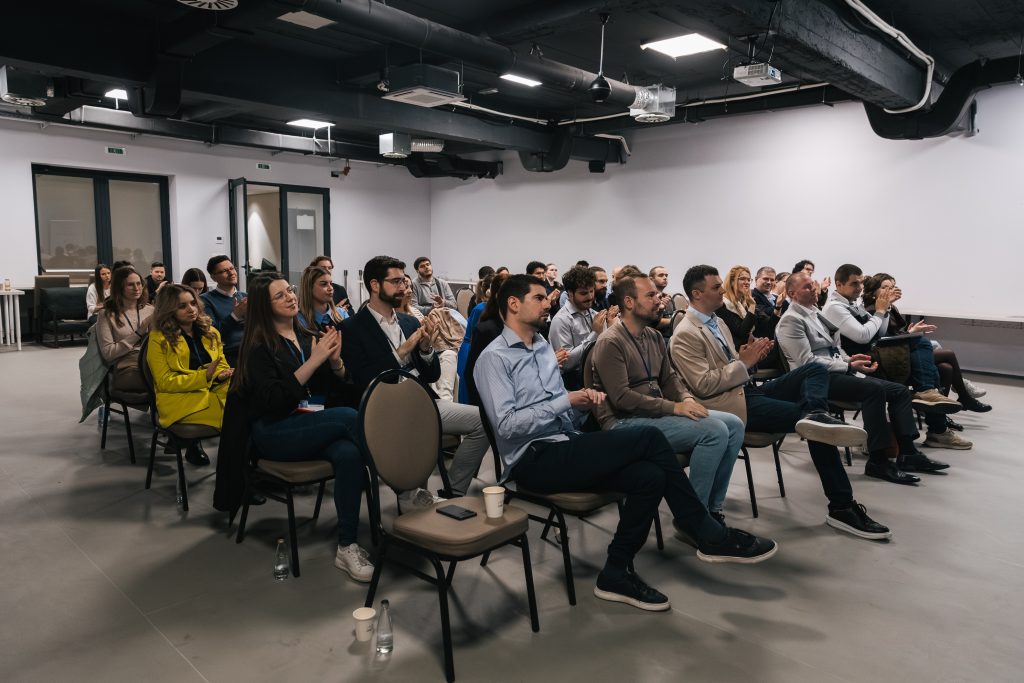
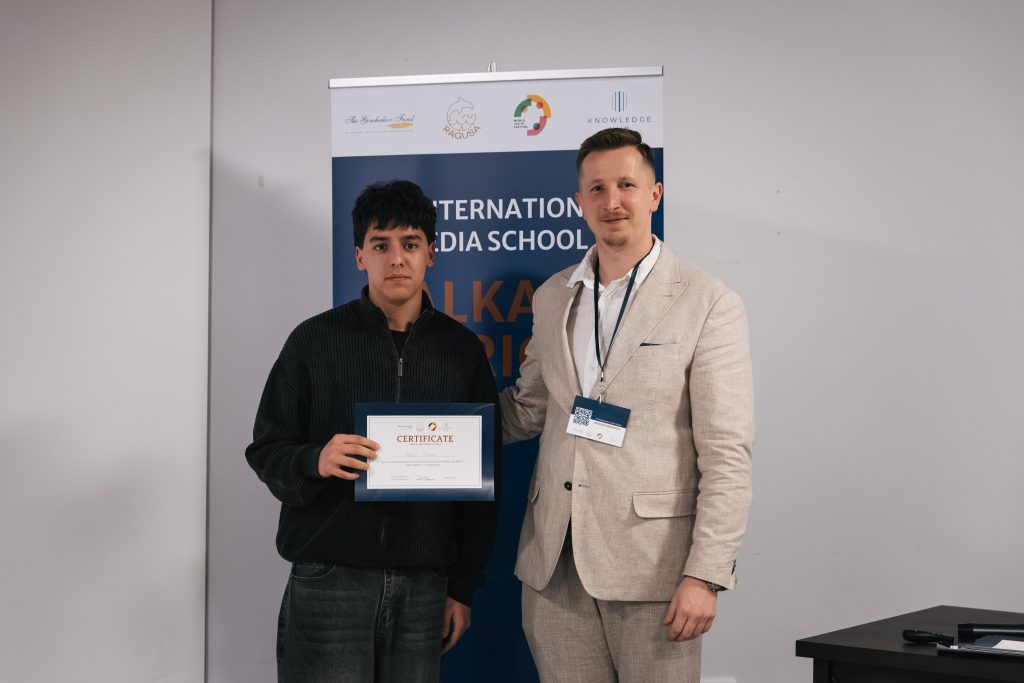
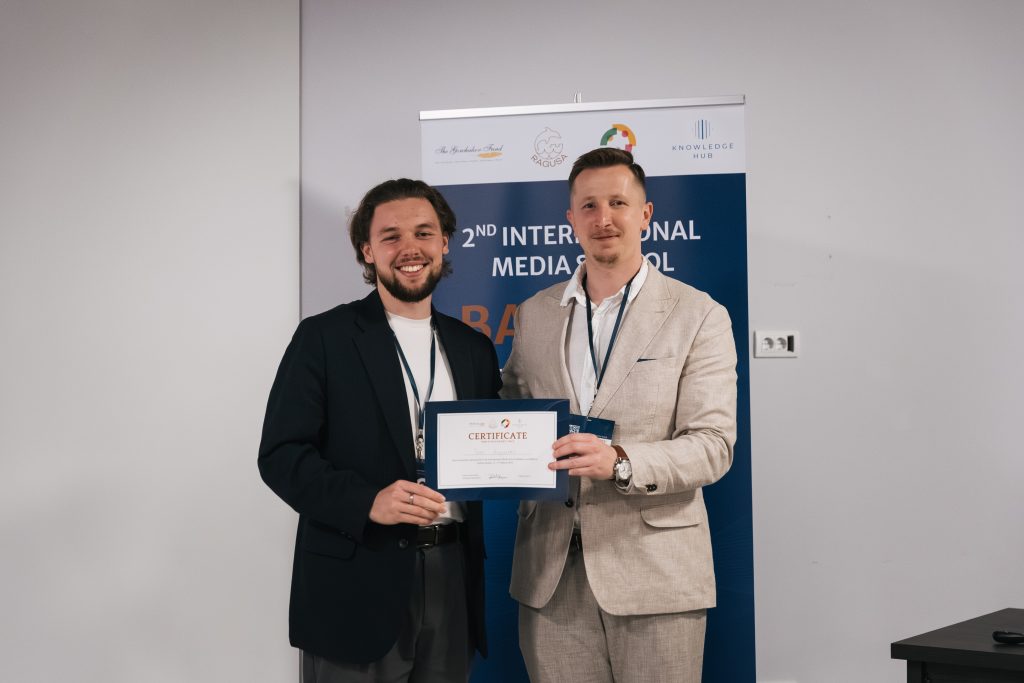
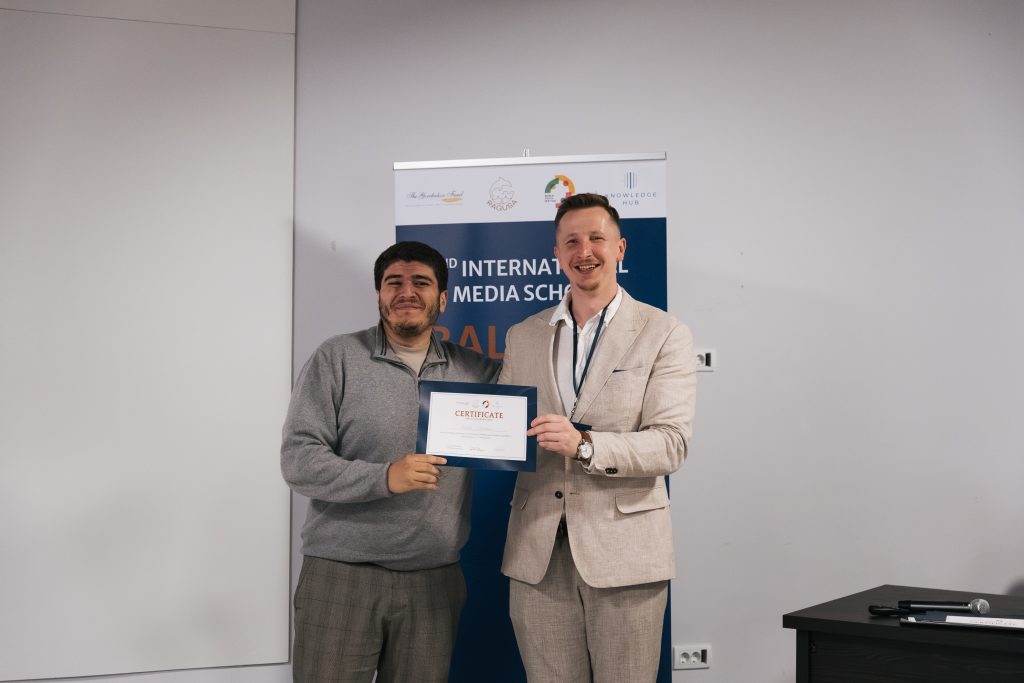
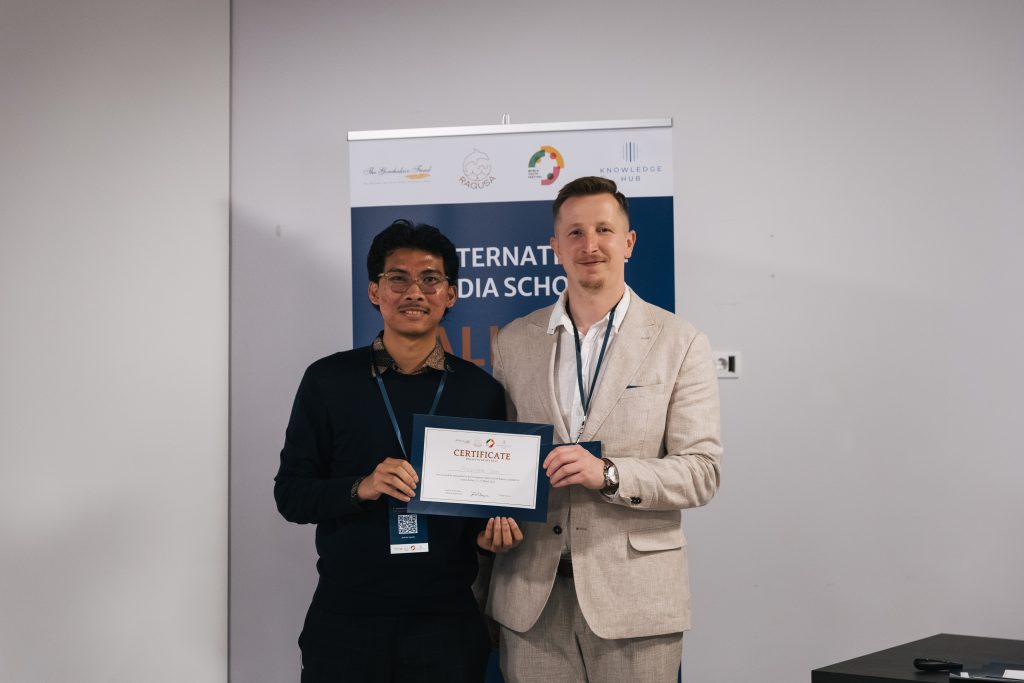
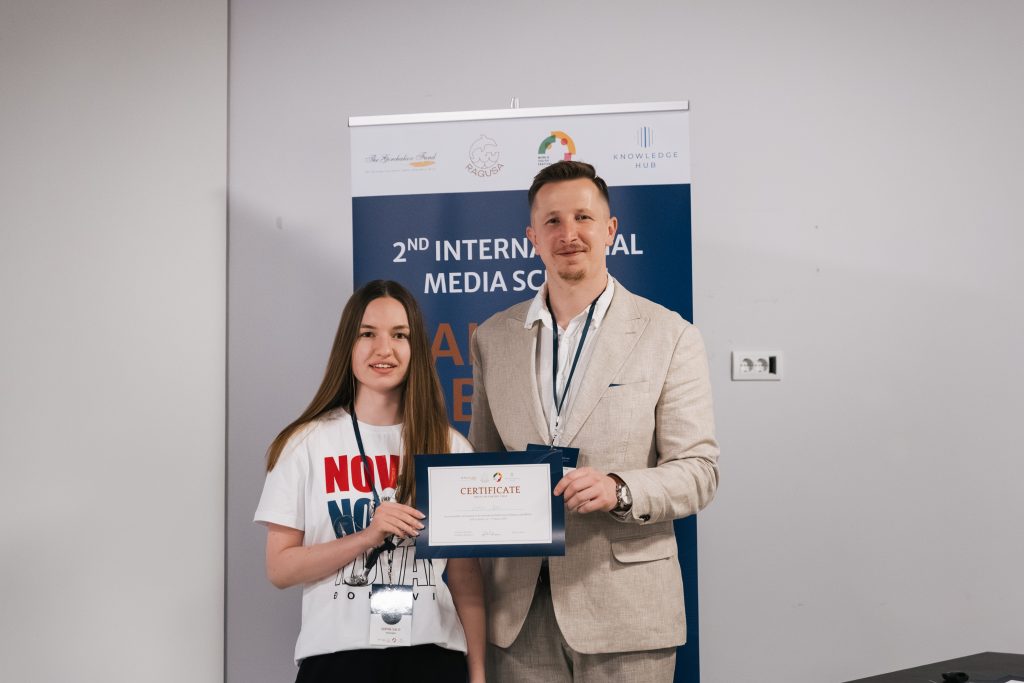
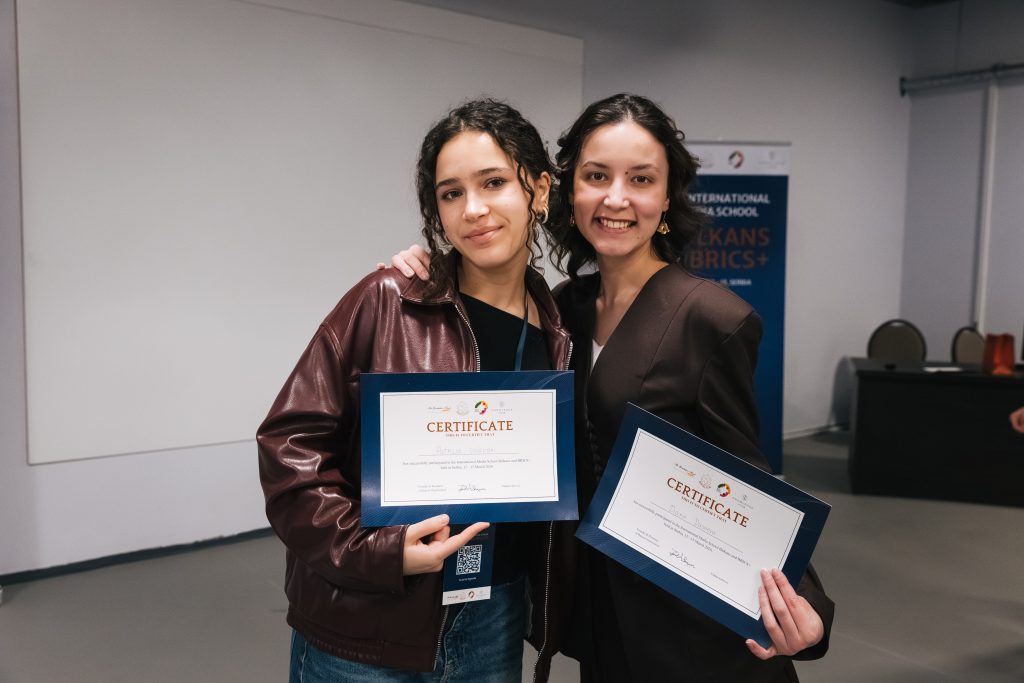
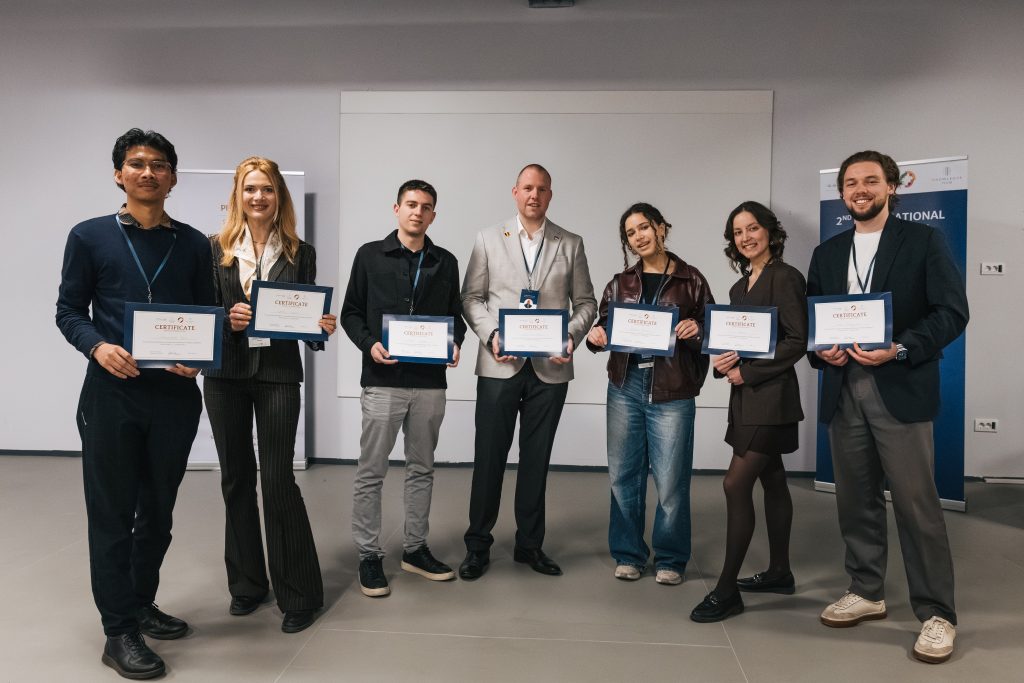
The day concluded with an open discussion, allowing participants to engage directly with speakers and exchange perspectives, followed by a certificate award ceremony marking the successful completion of the program.
The Second International Media School Balkans and BRICS+ at RAGUSA Hub aims to create a dynamic international environment where young professionals can learn, exchange ideas, and engage with global media and policy challenges.
Through its second day, the School once again confirmed its role as a platform for critical dialogue on key issues shaping contemporary media and global relations.
Media Coverage
SPUTNIK SERBIA
Serbian Cyber Hajduks — Trolling, Memes, and TikTok
SPUTNIK SERBIA
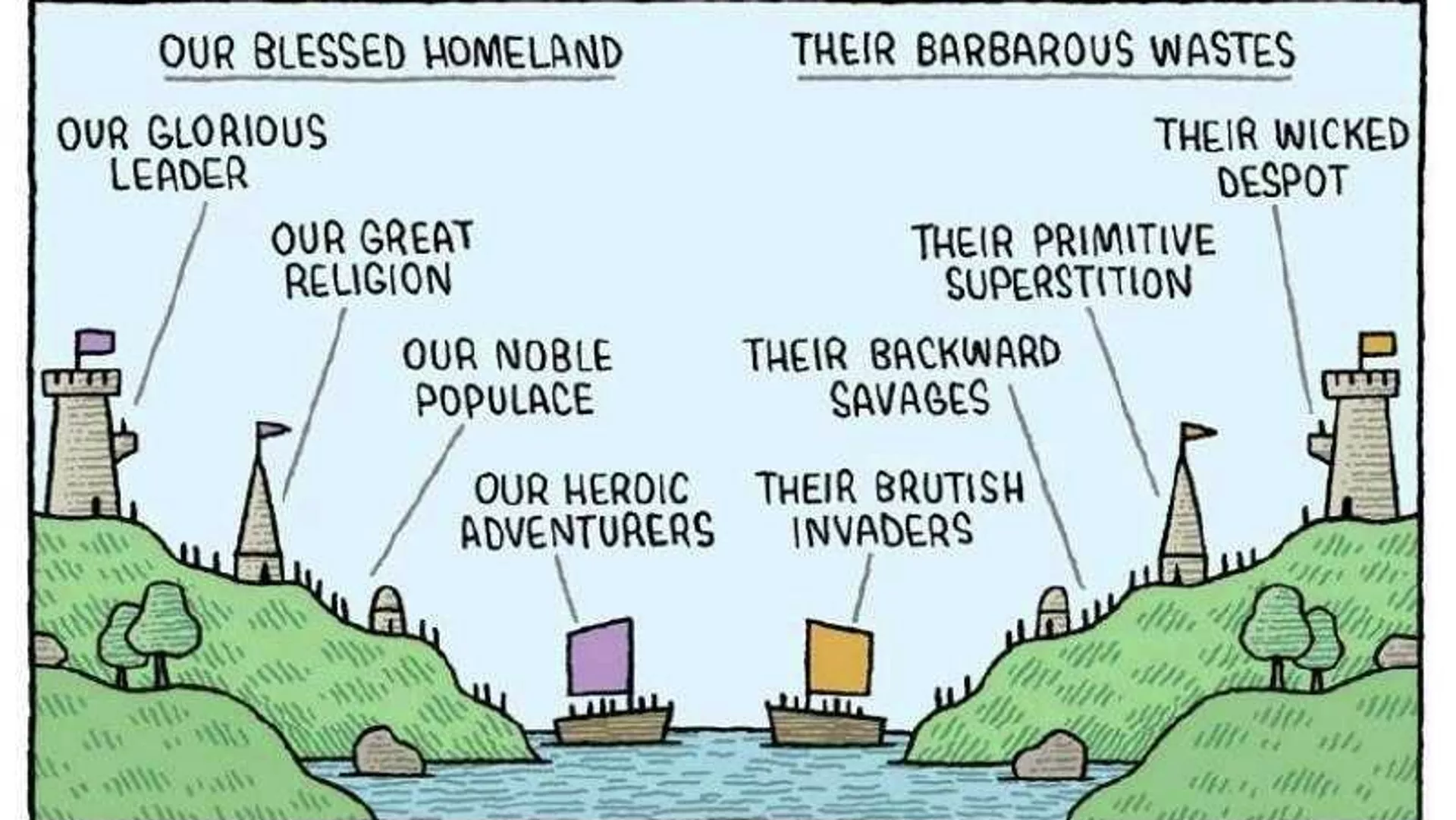
In the Trenches of Journalism – Lessons for BRICS from the American Experience
Gallery