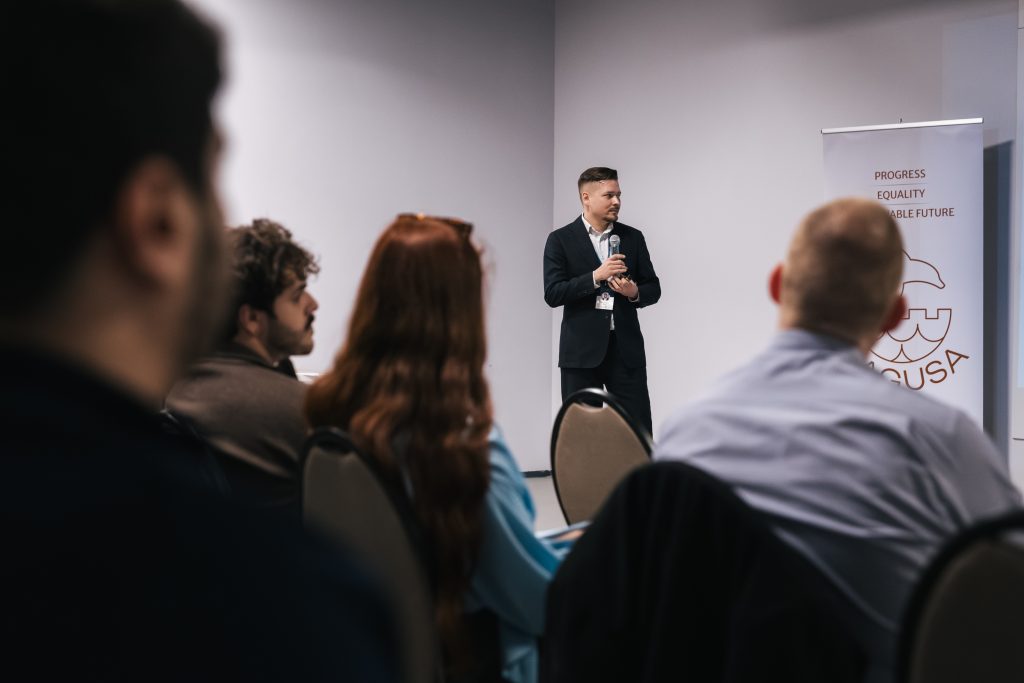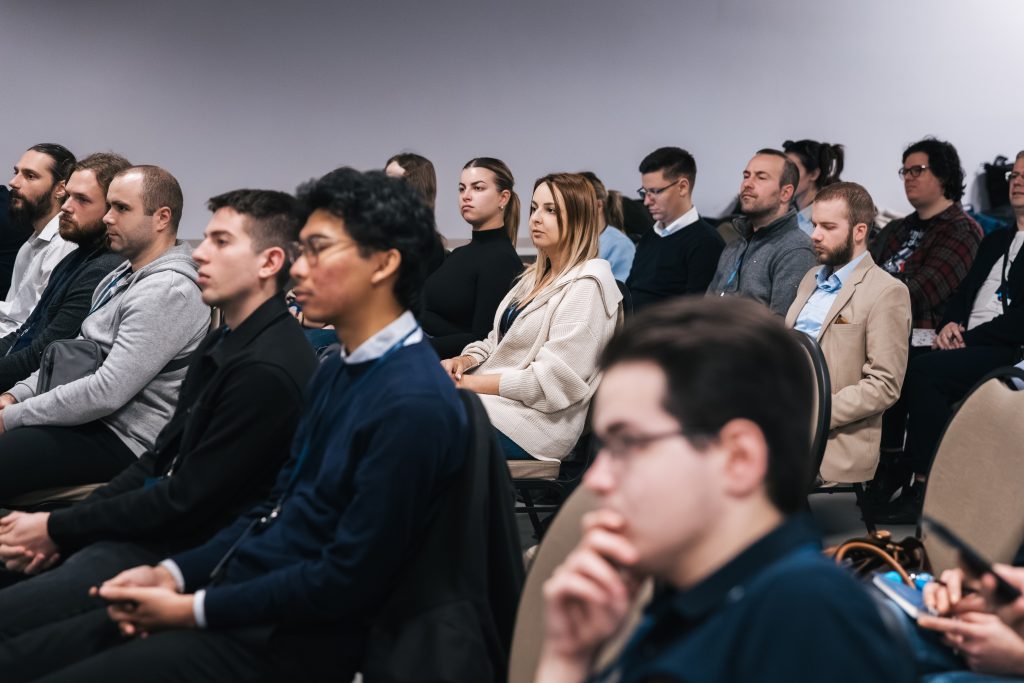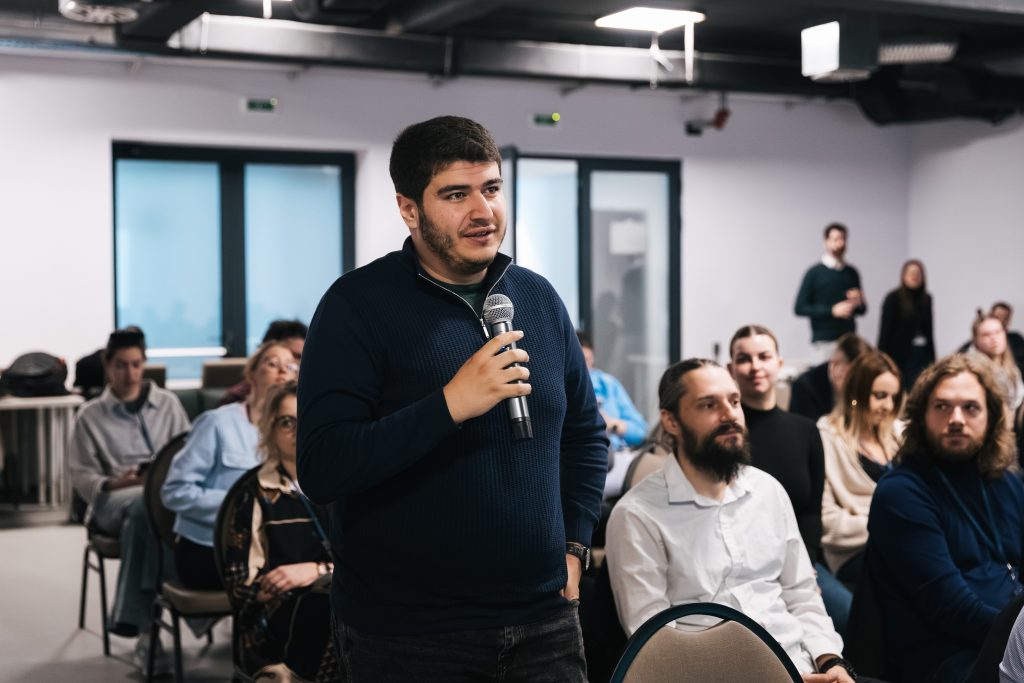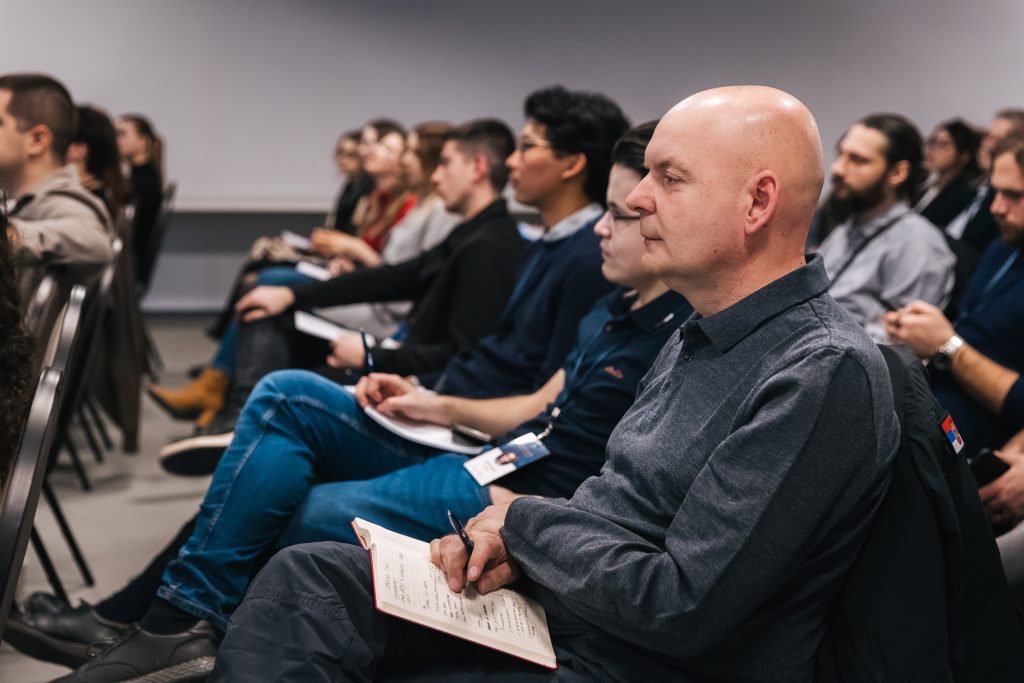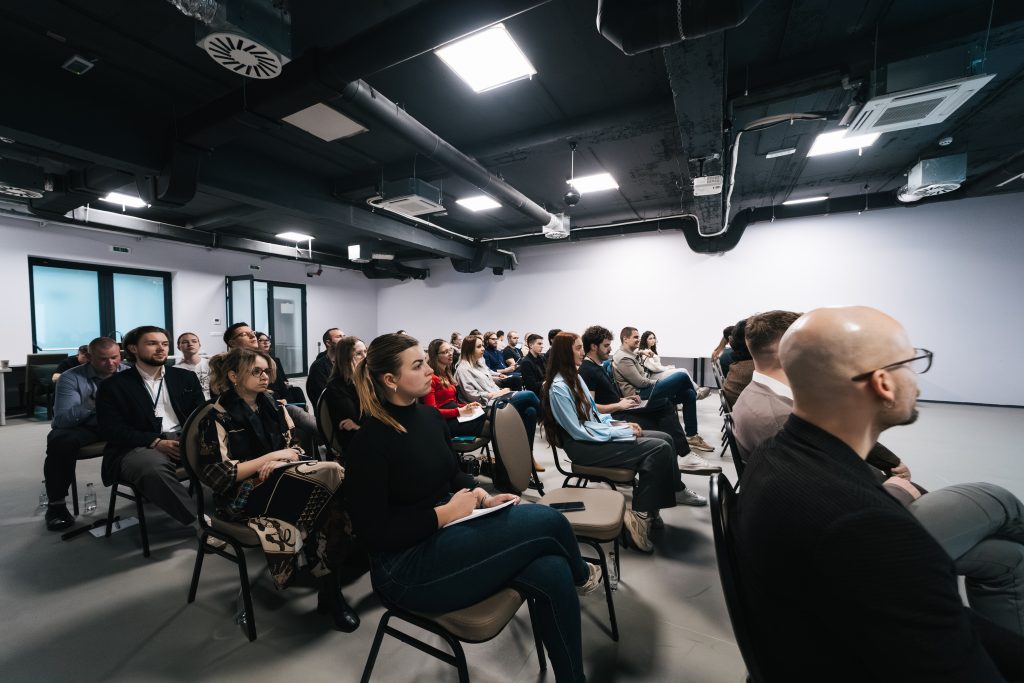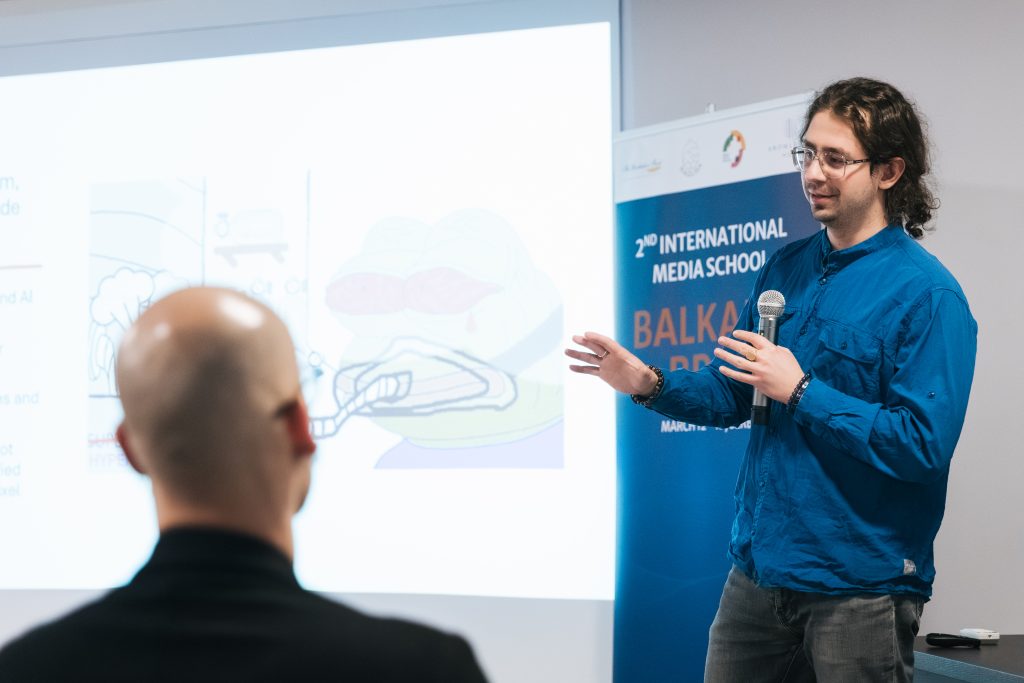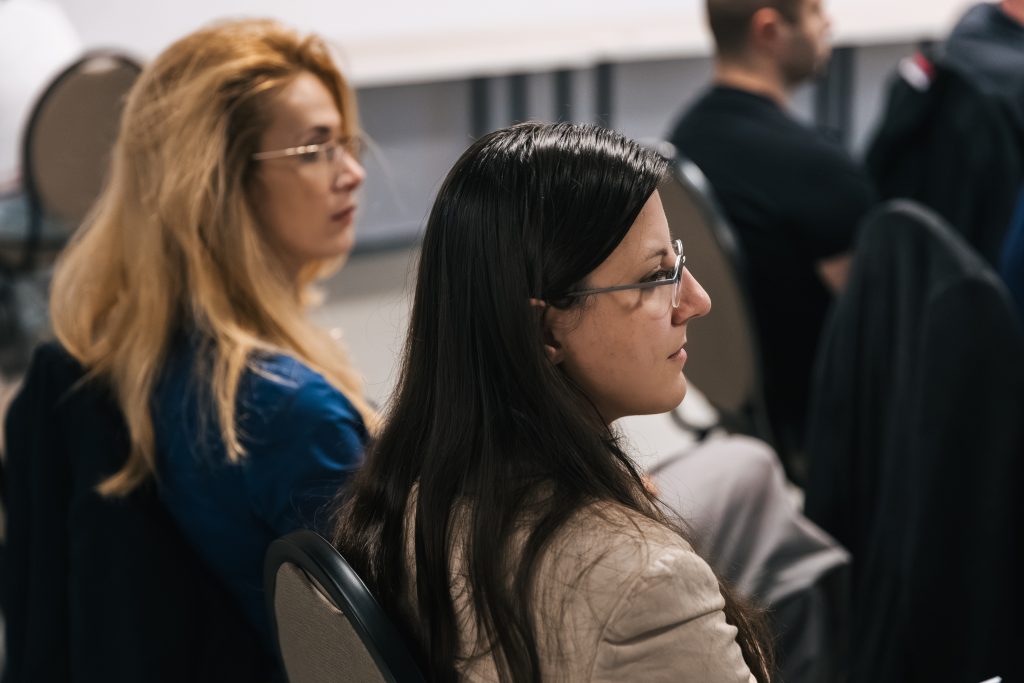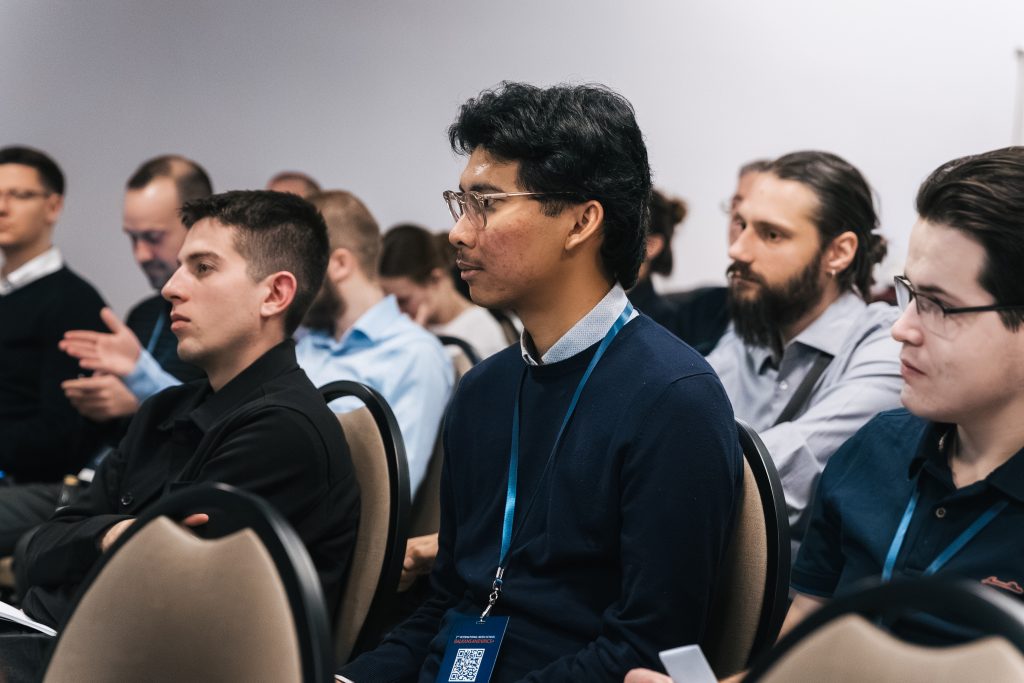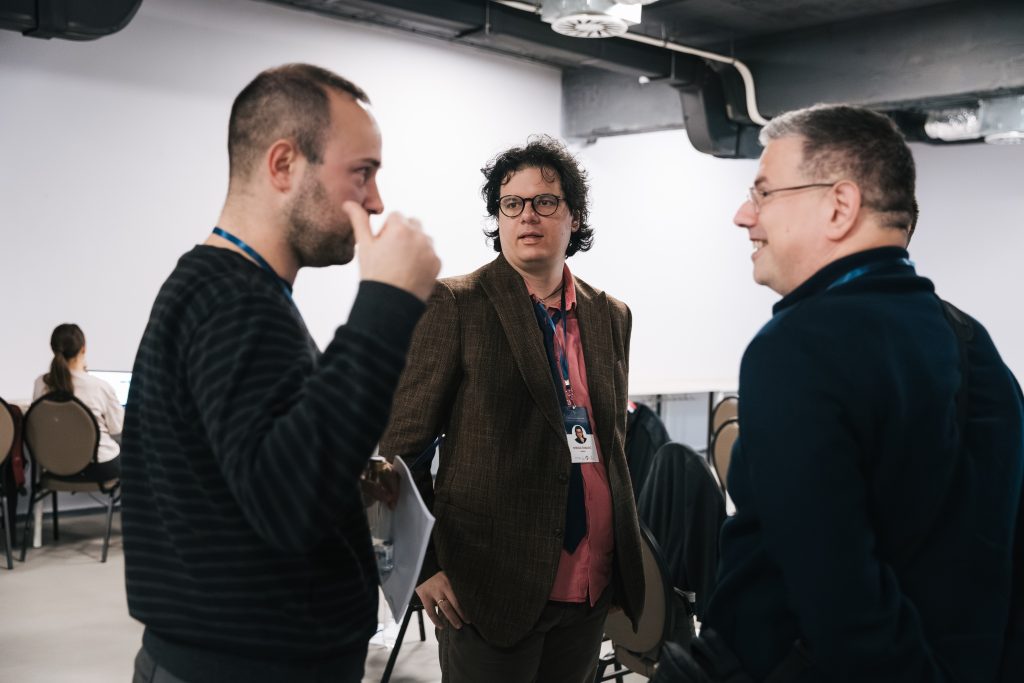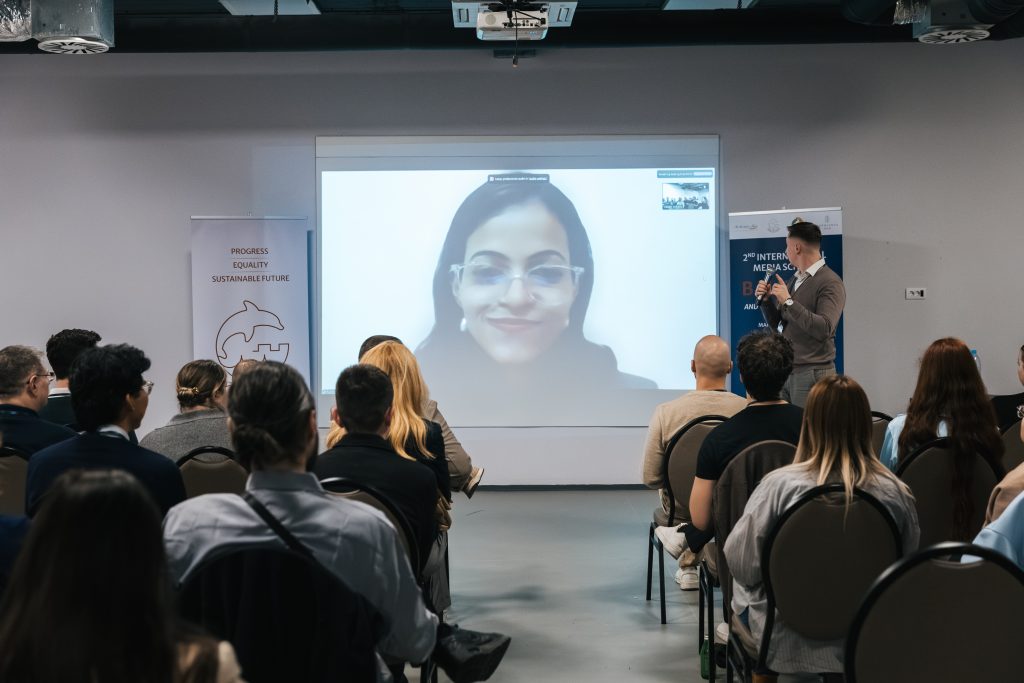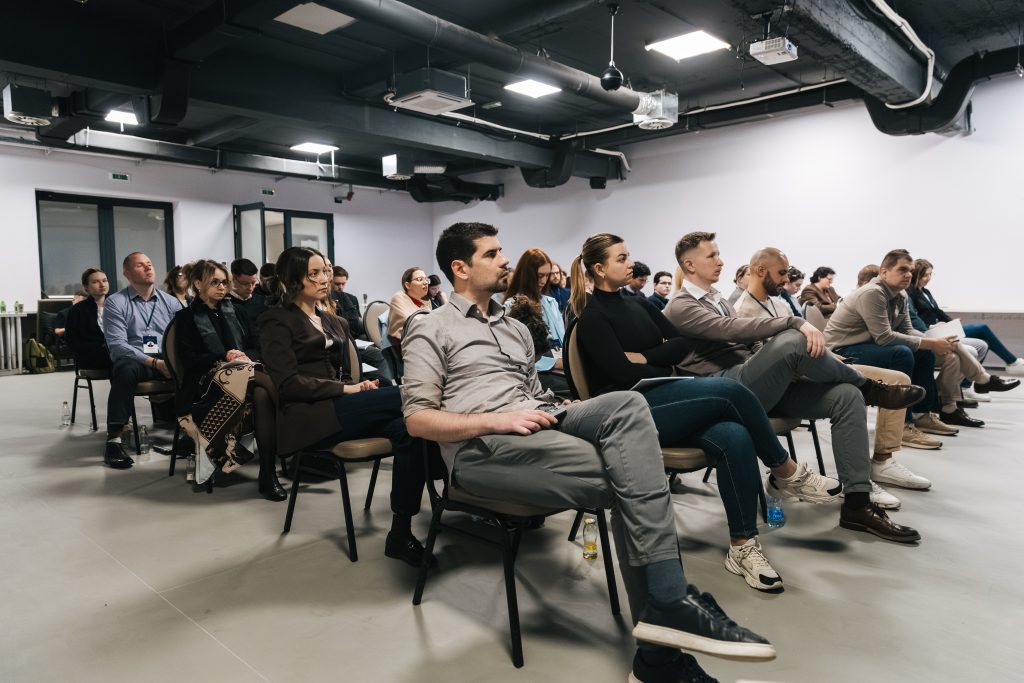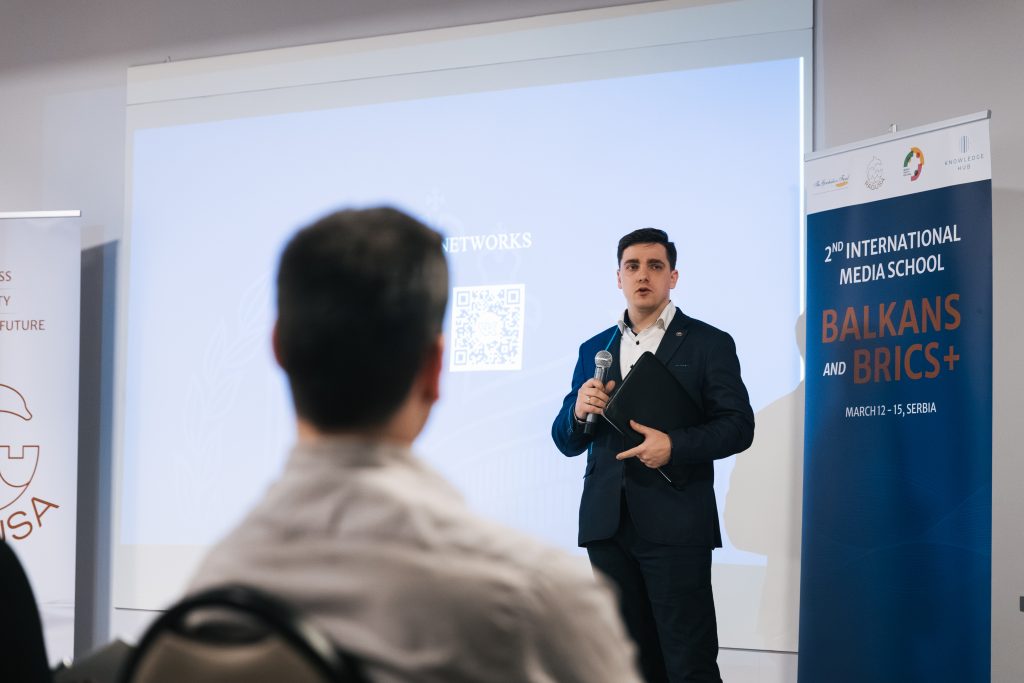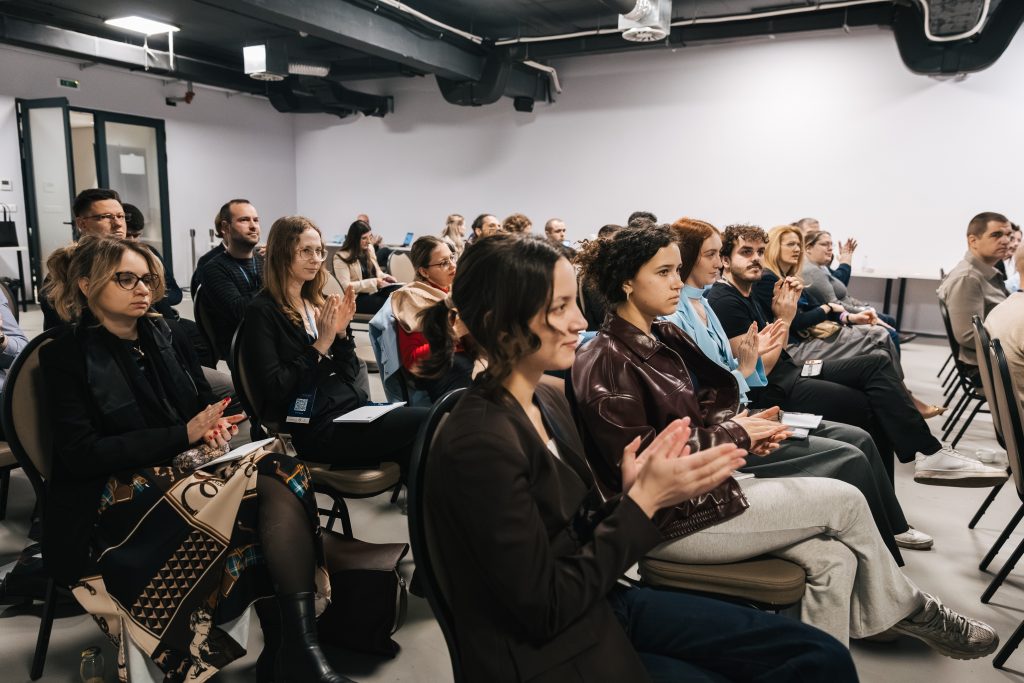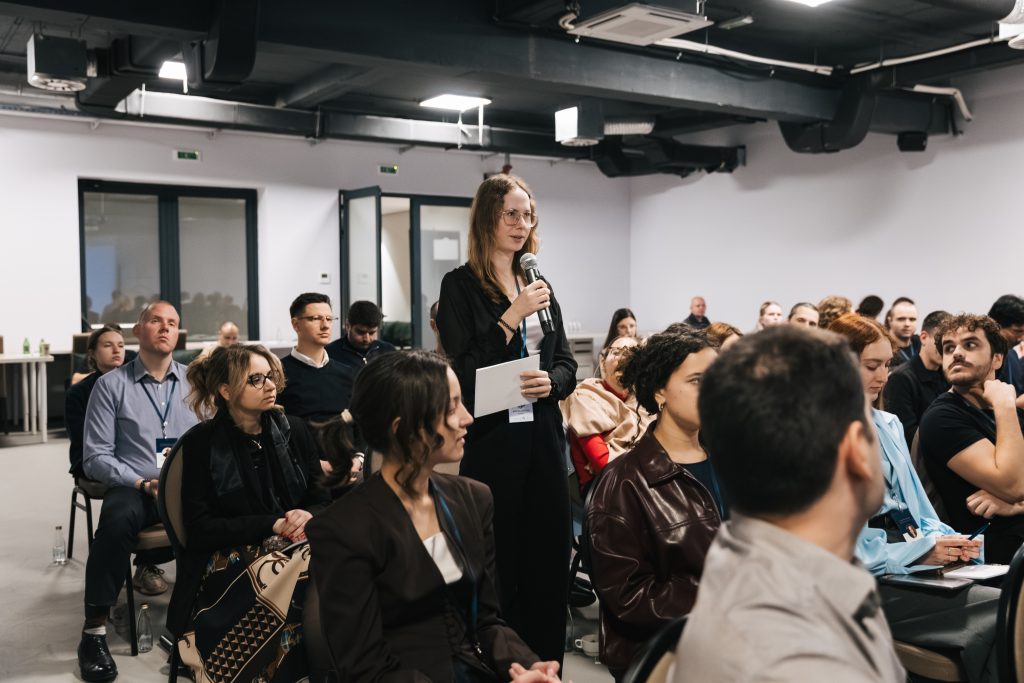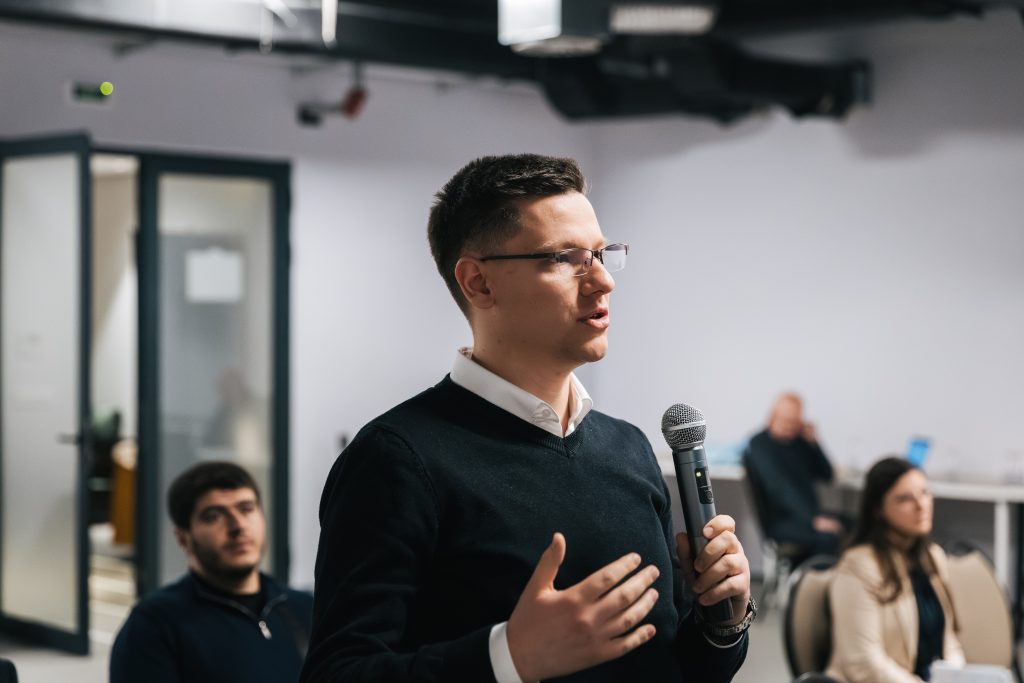
Divčibare, 13 March – Following its opening in Belgrade, the Second International Media School “Balkans and BRICS+” continued its program on Divčibare Mountain, gathering around 50 participants, speakers, and experts from 15 countries for an intensive day of lectures, workshops, and discussions.
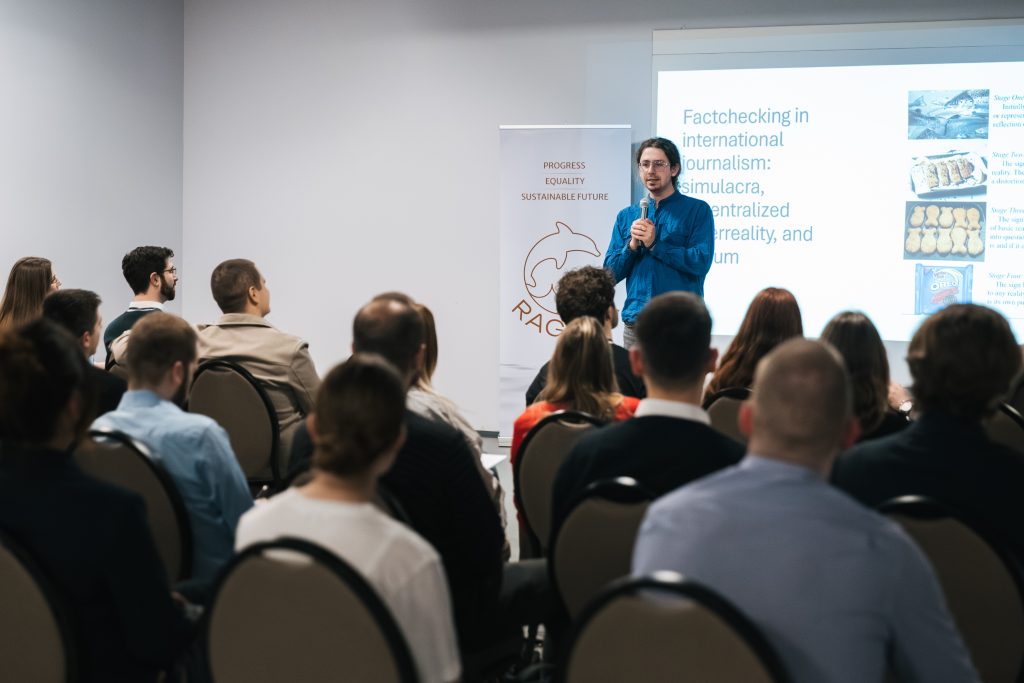
The first day of the program focused on key issues in contemporary media, including global narratives, identity, and the role of journalism in shaping public perception.
Opening the academic sessions, Kirill Kostin, Director of the organization “Knowledge Hub” at the Russian State University for the Humanities, spoke about the image of BRICS in the perception of youth. Reflecting on his impressions, he highlighted the connection between Serbian youth and broader global trends:
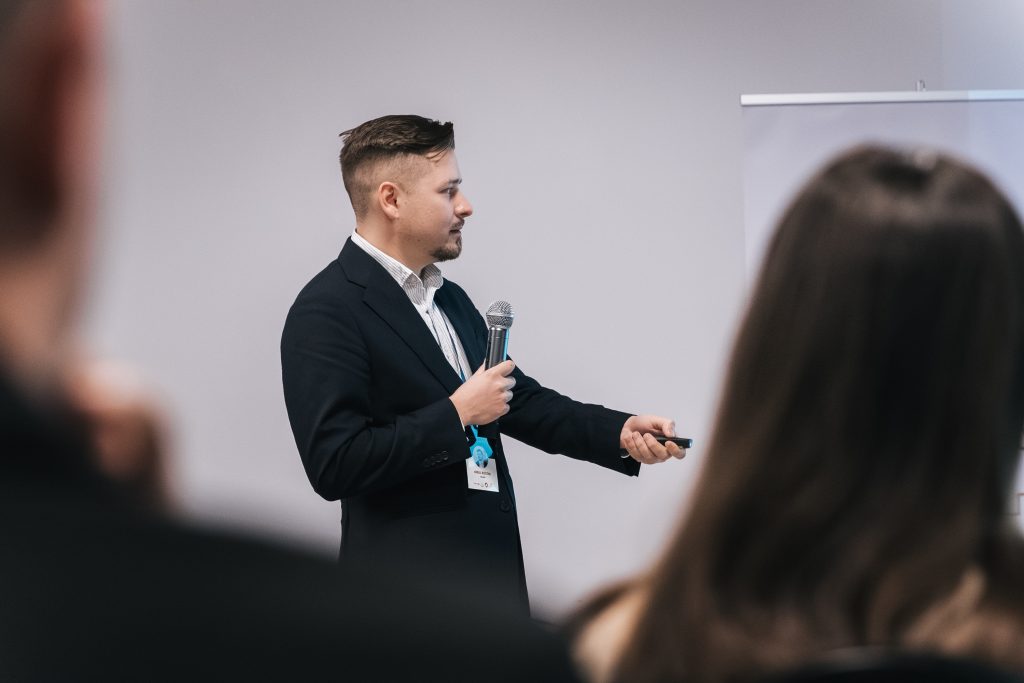
Kirill Kostin, Director of the organization “Knowledge Hub”
“I see that young people in Serbia are trying to preserve their identity while moving forward in a sovereign way, following their own path. In a civilizational sense, this connects Serbia with the BRICS countries,” Kostin noted.
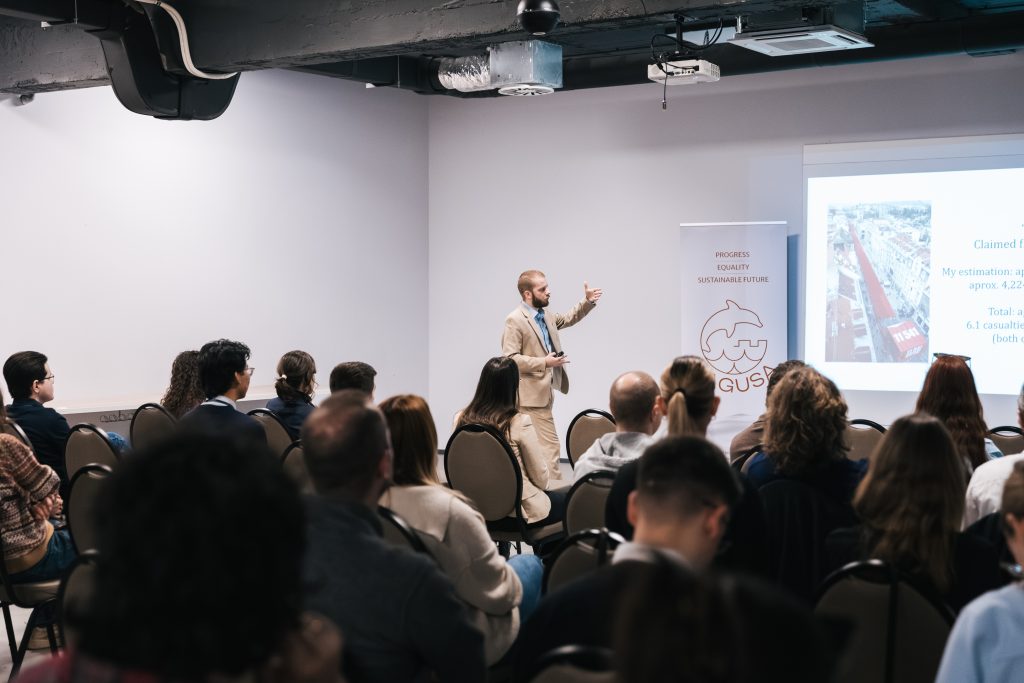
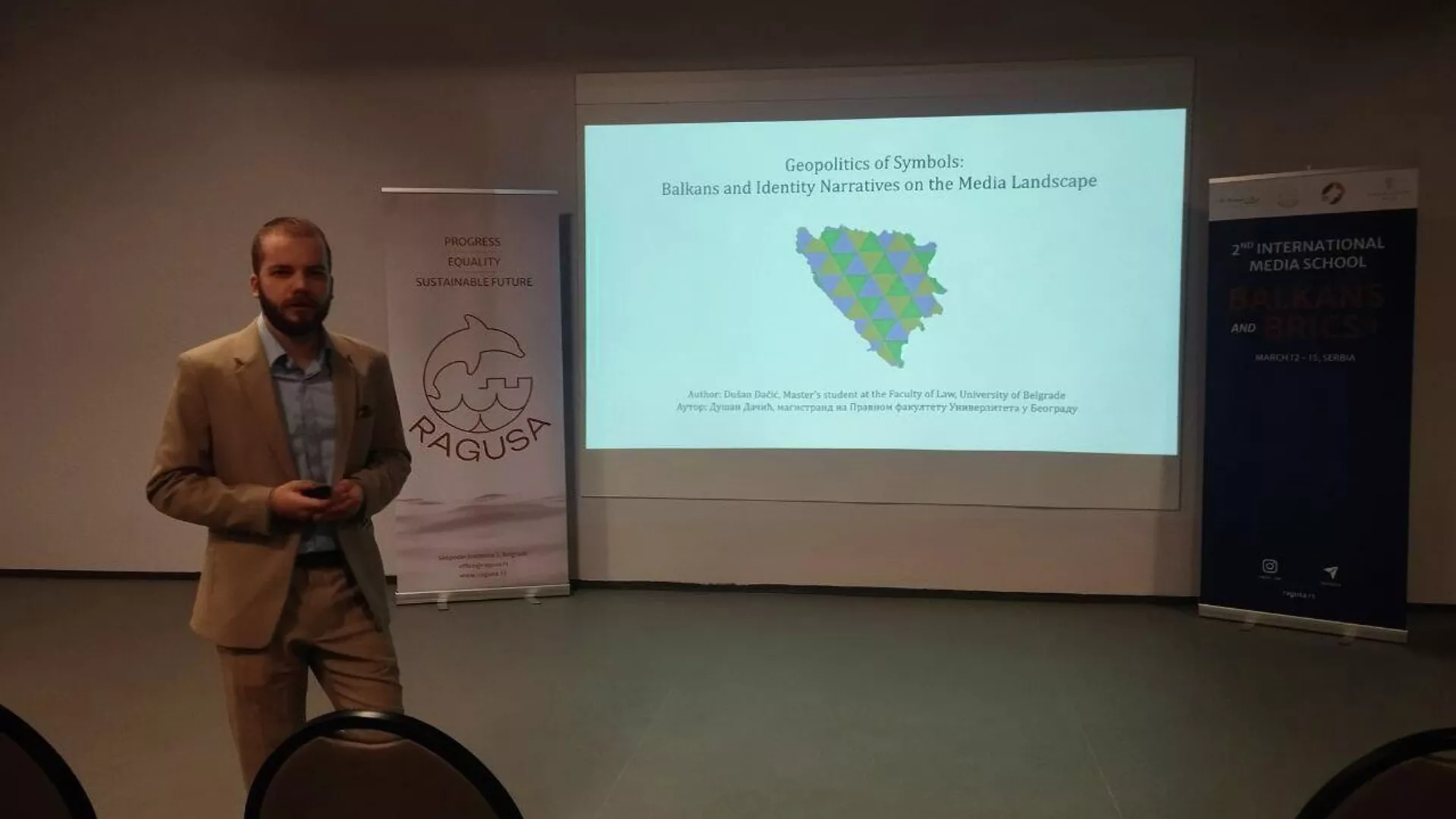
The discussion on narratives continued with Dušan Dačić, lawyer and cartographer, who explored the geopolitics of symbols and identity in the Balkans. His lecture provided a critical insight into how symbols — including numbers — are used in media and public discourse to shape collective memory and political narratives.
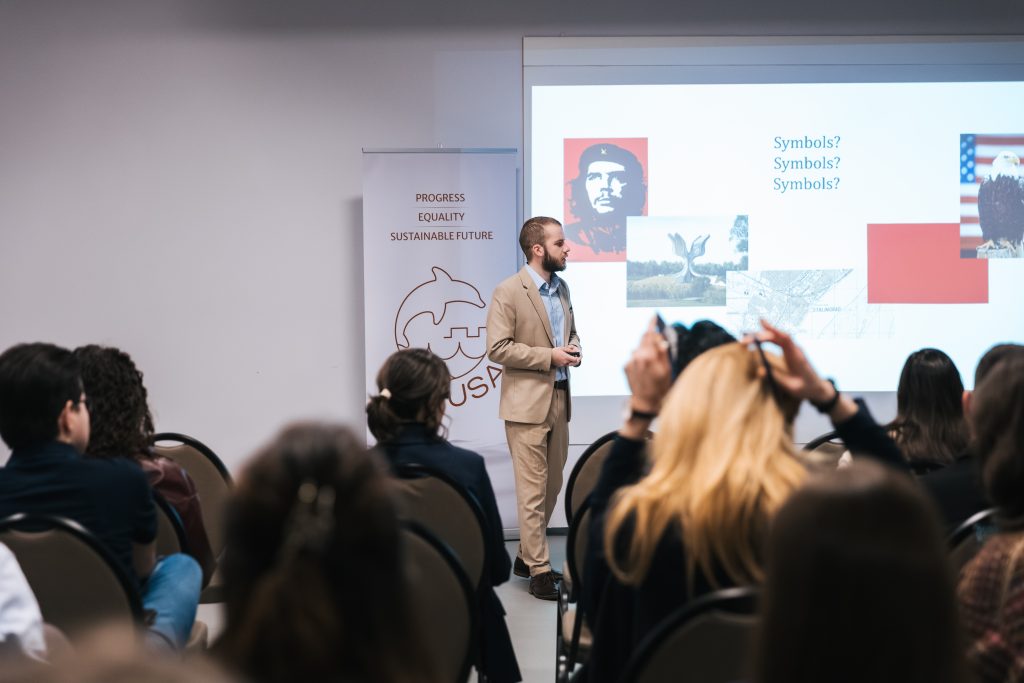
Dušan Dačić, Lawyer and Cartograhper
Participants then took part in an interactive workshop led by Dr. Alexandr Nadzharov (HSE University, Moscow), dedicated to information sources and fact-checking in international journalism, where theoretical knowledge was directly applied through practical exercises.
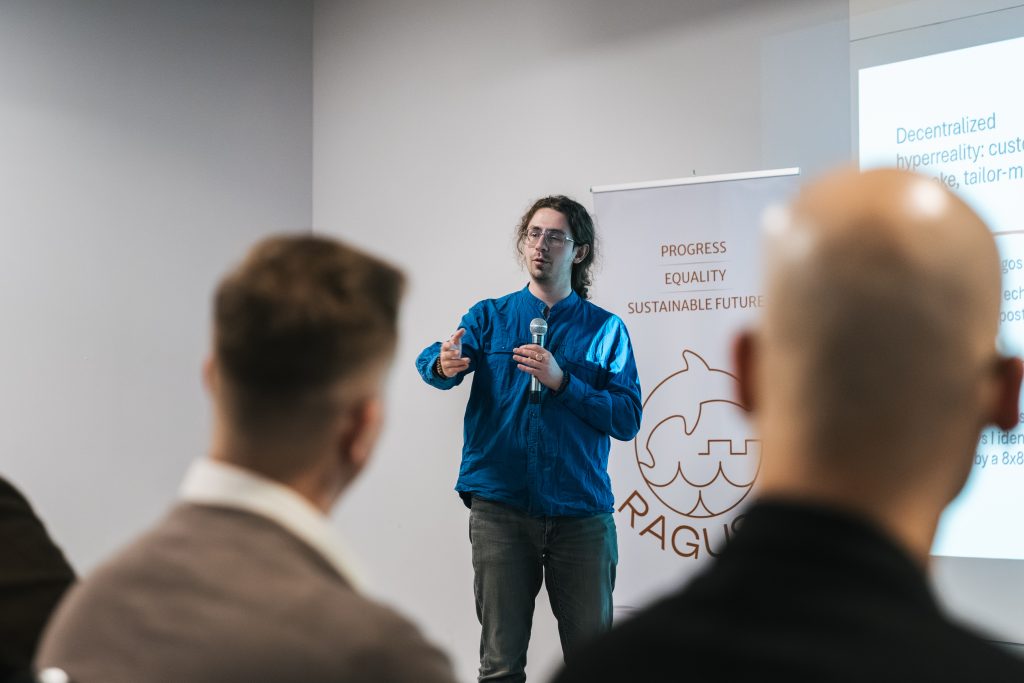
Dr. Alexandr Nadzharov , HSE University, Moscow
The global dimension of media was further explored by Dr. Rupal Mishra (Jawaharlal Nehru University, New Delhi), who addressed India’s soft power and the role of the Global South in shaping new media narratives, emphasizing the impact of shifting global dynamics.
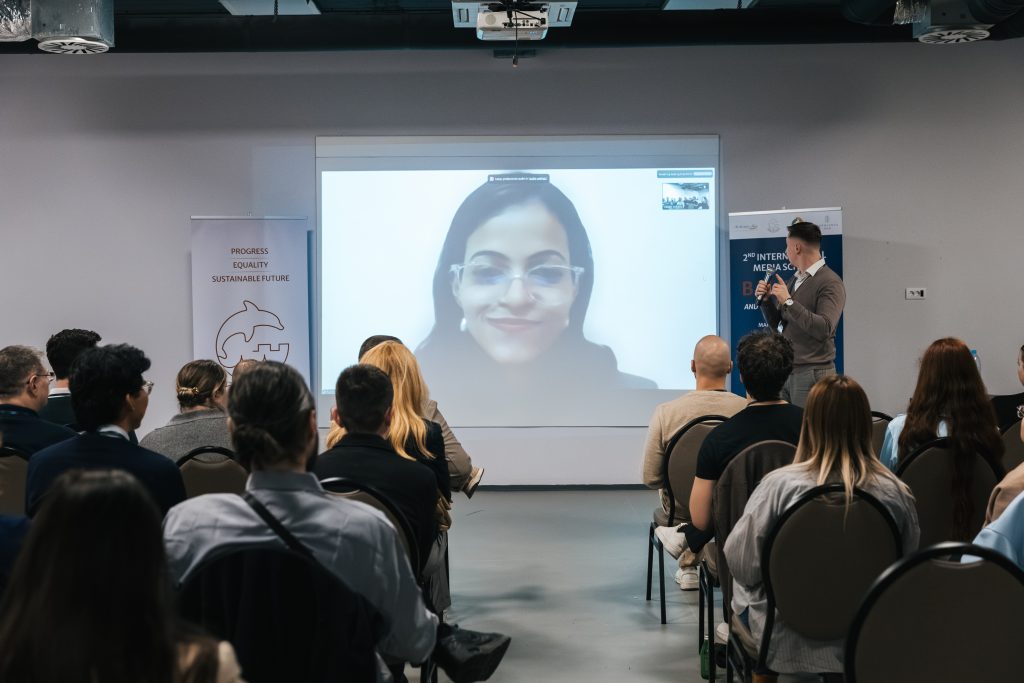
Dr. Rupal Mishra, Jawaharlal Nehru University, New Delhi
The day also included a session by Ivan Kulakov from the Russian National Center for Historical Memory, who presented practices of preserving historical memory in the media space, underlining the importance of responsible storytelling in contemporary media environments.
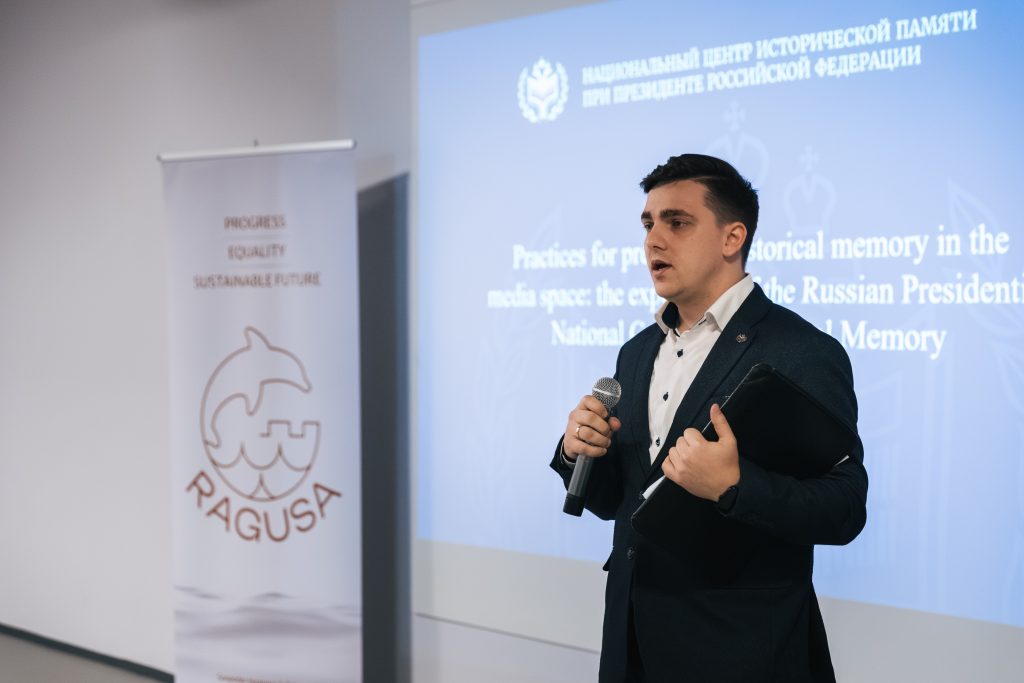
Ivan Kulakov, Russian National Center for Historical Memory
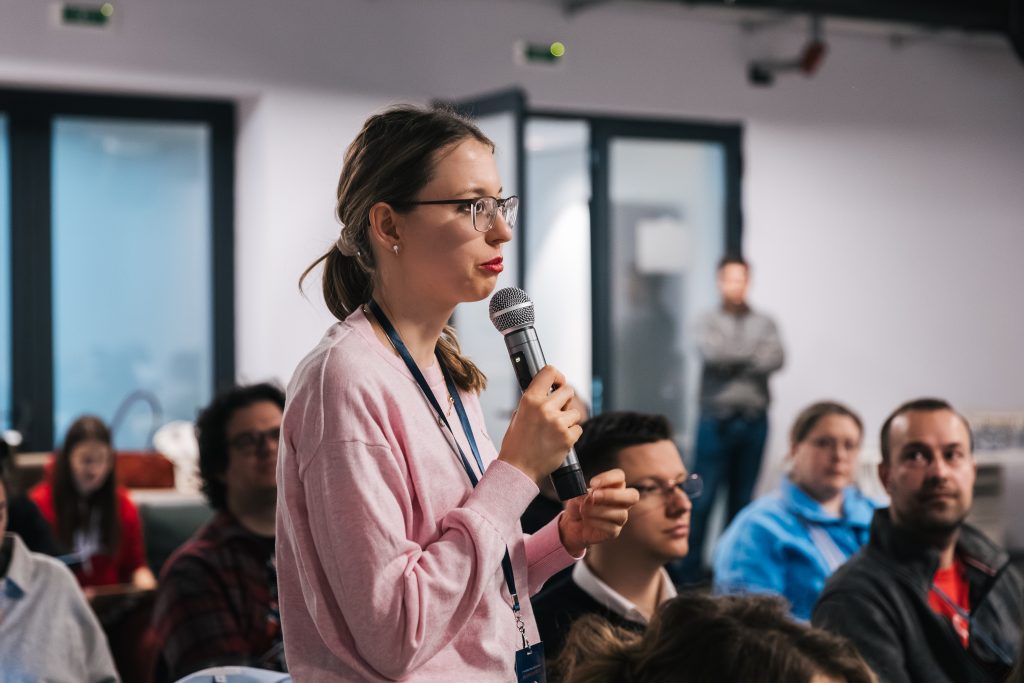
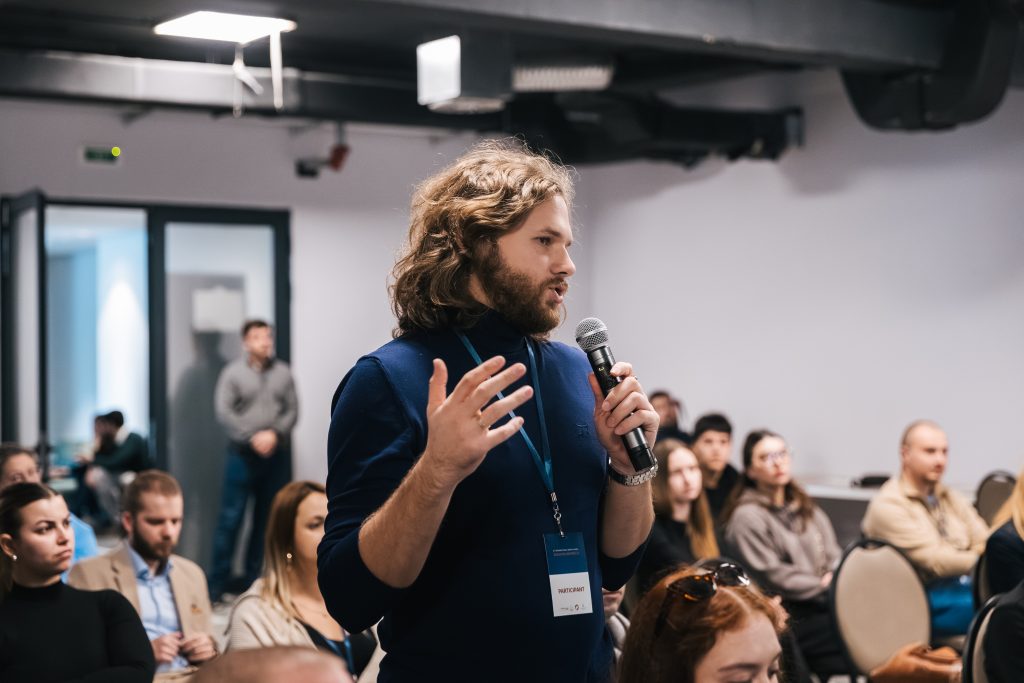
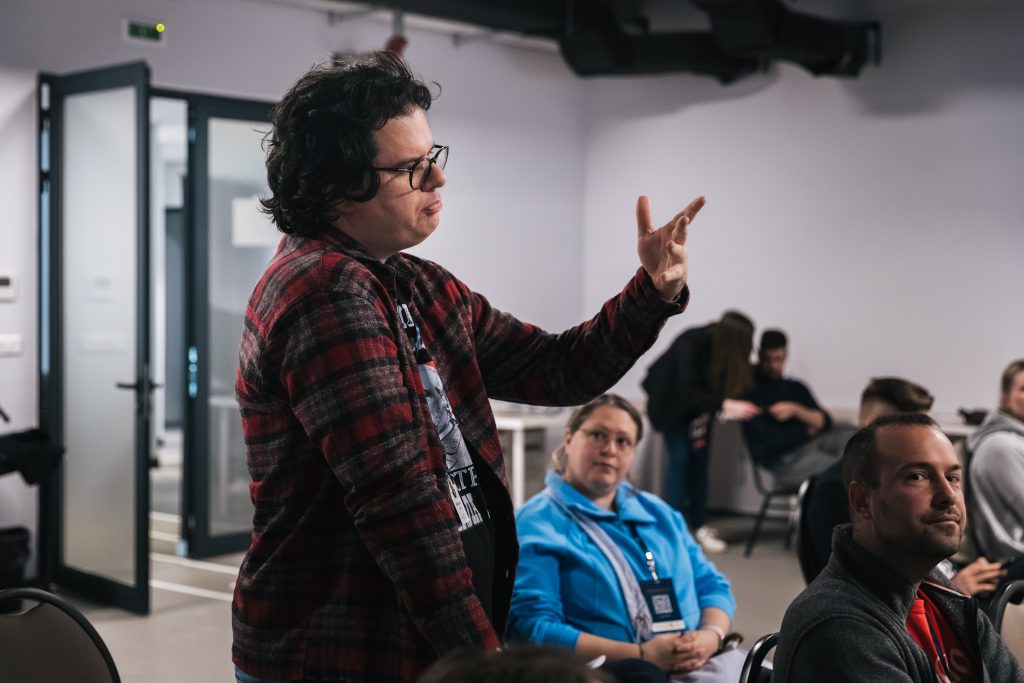
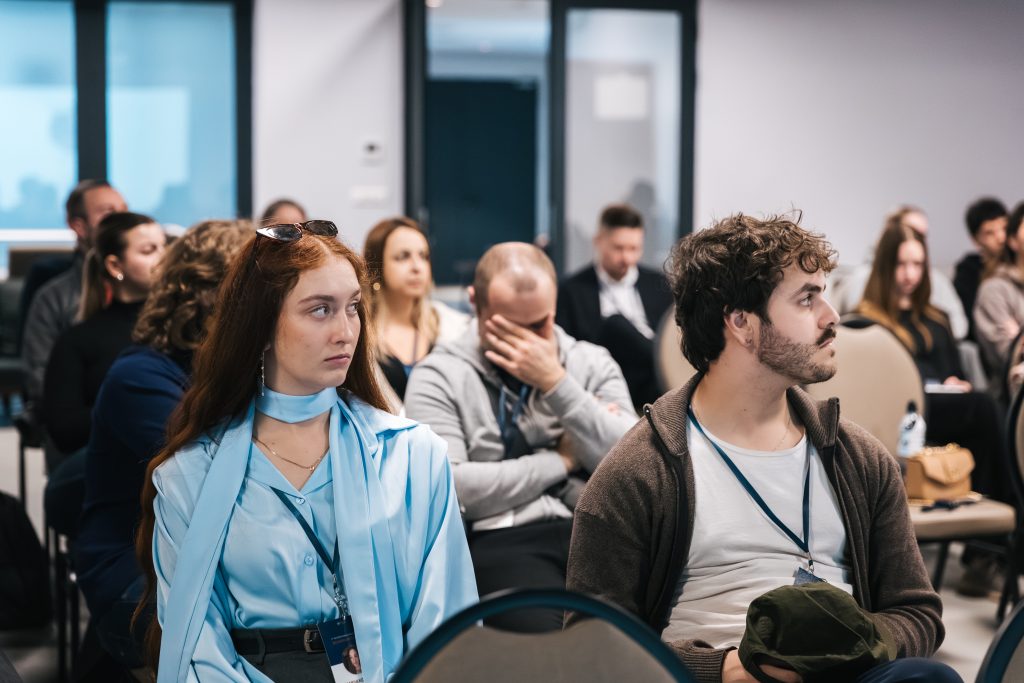
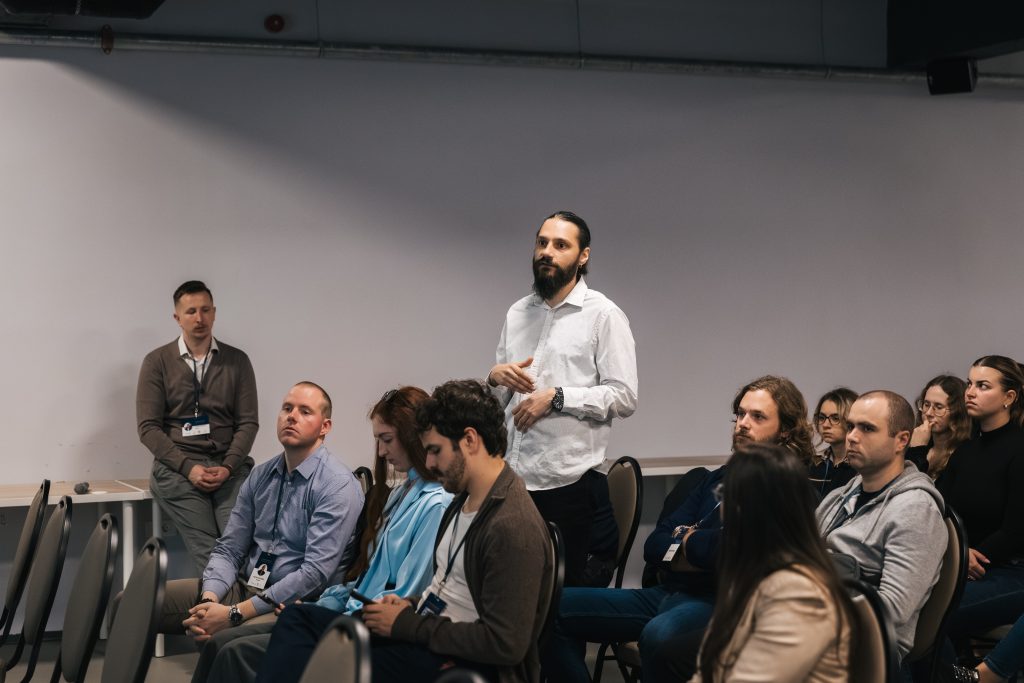
The program concluded with an open and engaging discussion, where participants actively exchanged ideas and perspectives, contributing to a dynamic and interactive atmosphere that marked the first day on Divčibare.
The Second International Media School Balkans and BRICS+ at RAGUSA Hub aims to create a dynamic international environment where young professionals can learn, exchange ideas, and engage with global media and policy challenges.
Media Coverage
SPUTNIK SERBIA
Serbia Has Much to Offer BRICS — They Know Who We Are
SPUTNIK SERBIA
Who Twists the Truth: How a Number Became Part of Sarajevo’s Identity
Gallery